


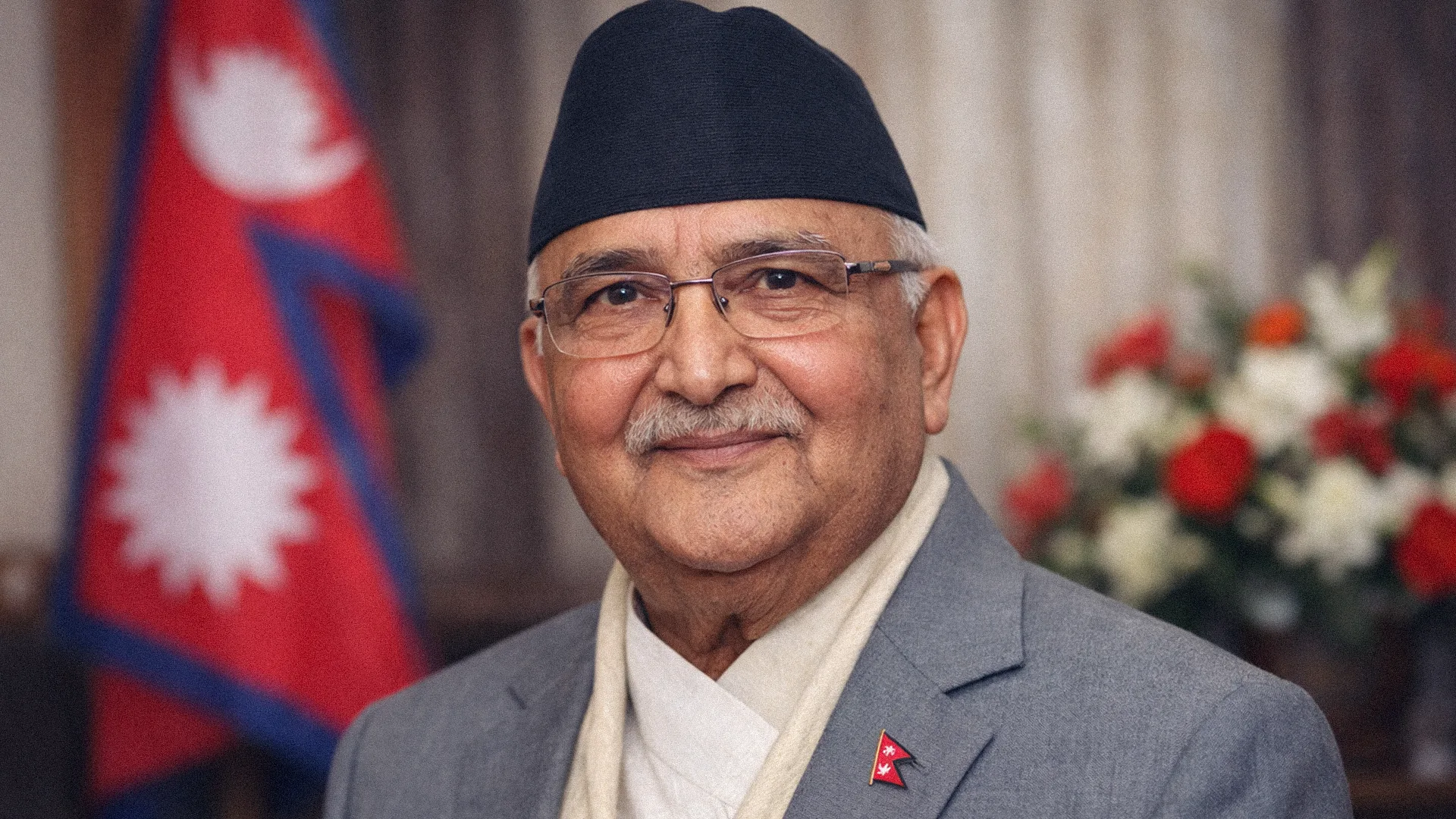
Nepal’s political contest has intensified as CPN-UML Chair KP Sharma Oli framed himself as a leader facing coordinated resistance for pursuing what he describes as a sovereignty-centered national agenda.
Addressing a public gathering in Jhapa, Oli asserted that throughout his six decades in politics he has never engaged in corruption or commission-based dealings. He argued that the criticism and attacks directed at him stem from his refusal to compromise on issues of national development and territorial integrity.
Oli maintained that initiatives undertaken during his leadership — including efforts to reclaim disputed territory, opening northern transit points, and advancing the Postal Highway project in the southern plains — have strengthened both national security and the Madhes economy. According to him, these steps unsettled both domestic opponents and certain external actors.
Without naming him directly in formal terms, Oli targeted senior leader Balen Shah of the Rastriya Swatantra Party, stating that individuals who could not successfully administer a single municipality should not be entrusted with running the country. He questioned narratives that encourage voters to abandon established political forces in favor of what he described as untested or unsuccessful actors.
Oli insisted that Nepal is neither an experimental ground nor a platform for political theatrics. He argued that the country requires experienced leadership to safeguard democracy, maintain law and order, control corruption, and accelerate economic growth.
Claiming that CPN-UML alone possesses the institutional vision and long-term policy framework necessary for governance, Oli pledged that Nepal’s sovereignty, territorial integrity, and independence would remain secure as long as his party remains politically relevant. He further committed to defending “every inch” of the nation’s land.
Concluding his remarks, Oli urged supporters not to be swayed by shifting political rhetoric. He emphasized continuity in governance reforms, cultural preservation, and development campaigns already initiated, signaling that the coming political phase will test both leadership credibility and voter judgment.