


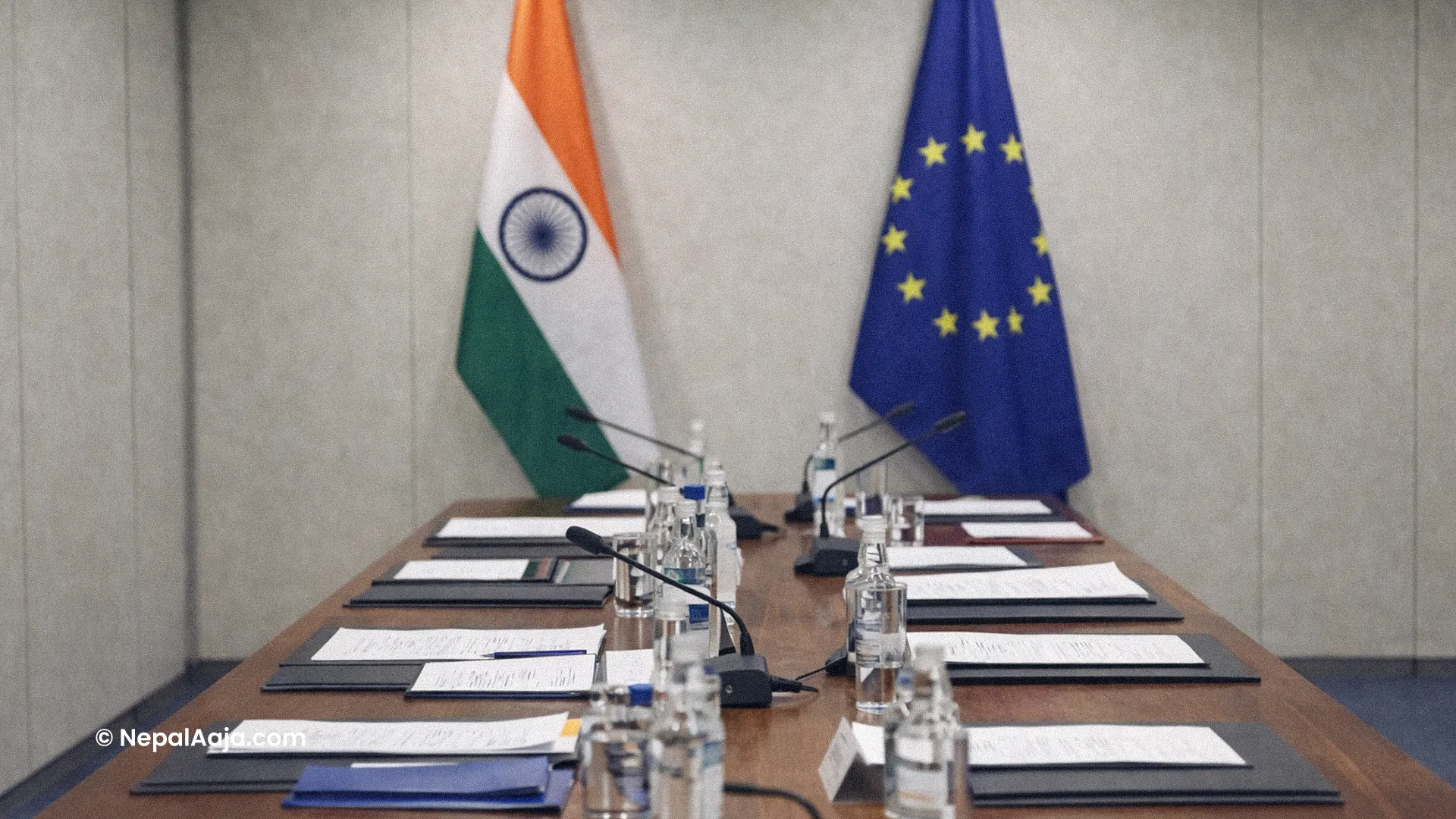
The newly concluded free trade agreement between India and the European Union is being viewed as more than a commercial breakthrough, with analysts describing it as a strategic turning point in Eurasia’s economic and political alignment.
With a combined market value exceeding $27 trillion, the agreement ranks among the largest bilateral trade frameworks globally. European officials say the deal is expected to cut nearly €4 billion in annual customs duties, easing access for EU exporters while accelerating India’s entry into advanced technology, capital, and high-value markets.
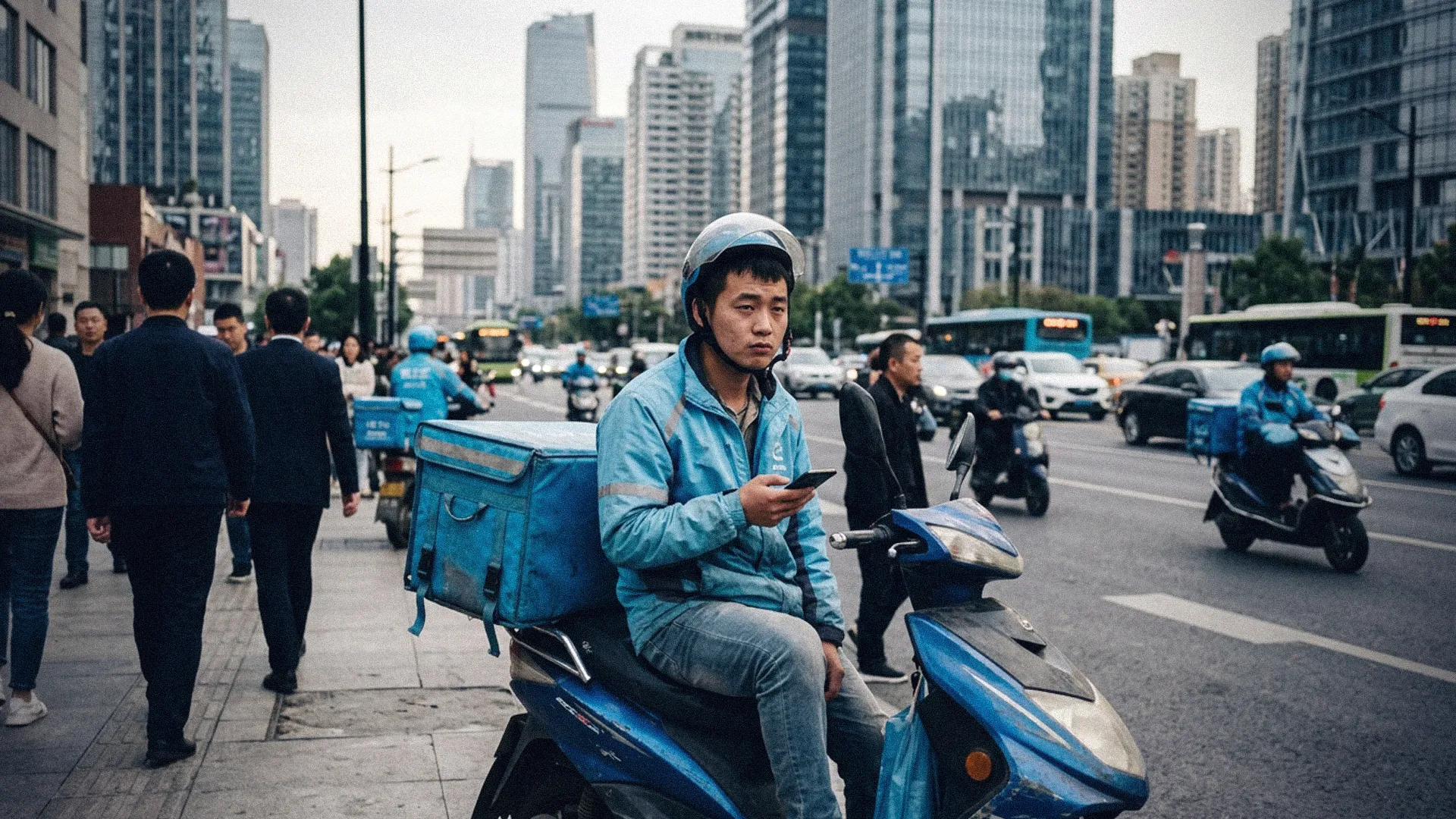
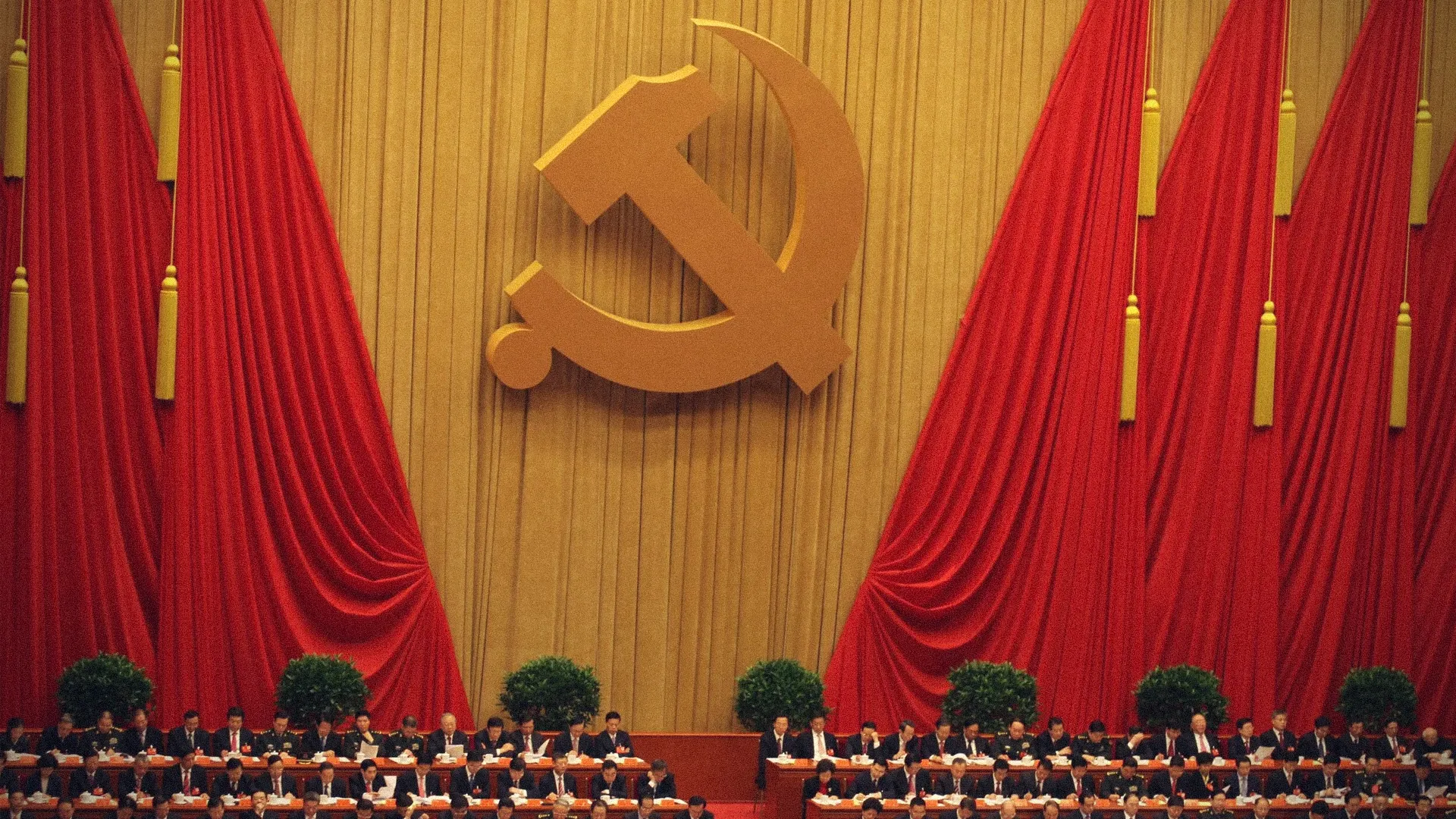
The backdrop to the agreement extends well beyond economics. Prolonged trade tensions between the United States and China, combined with tariff policies of the Trump era and Europe’s growing unease over its reliance on China, have pushed Brussels to seek alternative strategic partners. In that recalibration, India has increasingly been positioned as a practical and stable option.
For New Delhi, the pact represents both economic and strategic progress. India is seeking to redefine itself not merely as a fast-growing economy, but as a central hub within global supply chains. Expanding cooperation in energy, digital technology, aerospace, defense manufacturing, and renewable sectors is expected to reshape India’s industrial capacity over the long term.
Interested in this ad?
Would you like to continue to the link or provide your information for more details?
Please provide your information
To continue, please fill in your details
From the European perspective, the agreement reflects a broader strategic realignment. As relations with Russia weaken and economic exposure to China appears riskier, Europe is moving to anchor its future partnerships in countries viewed as reliable across trade, technology, security, and diplomacy.
Geopolitical analysts suggest the India–EU trade pact could gradually alter the global balance of economic influence. As Europe diversifies away from China-centered production networks, India stands to emerge as a key beneficiary, potentially strengthening its strategic relevance while diluting China’s dominance in global manufacturing.
The agreement, therefore, stands not just as a trade arrangement but as a document reshaping power equations in Eurasia, signaling a new phase in India–Europe strategic cooperation amid intensifying global competition.