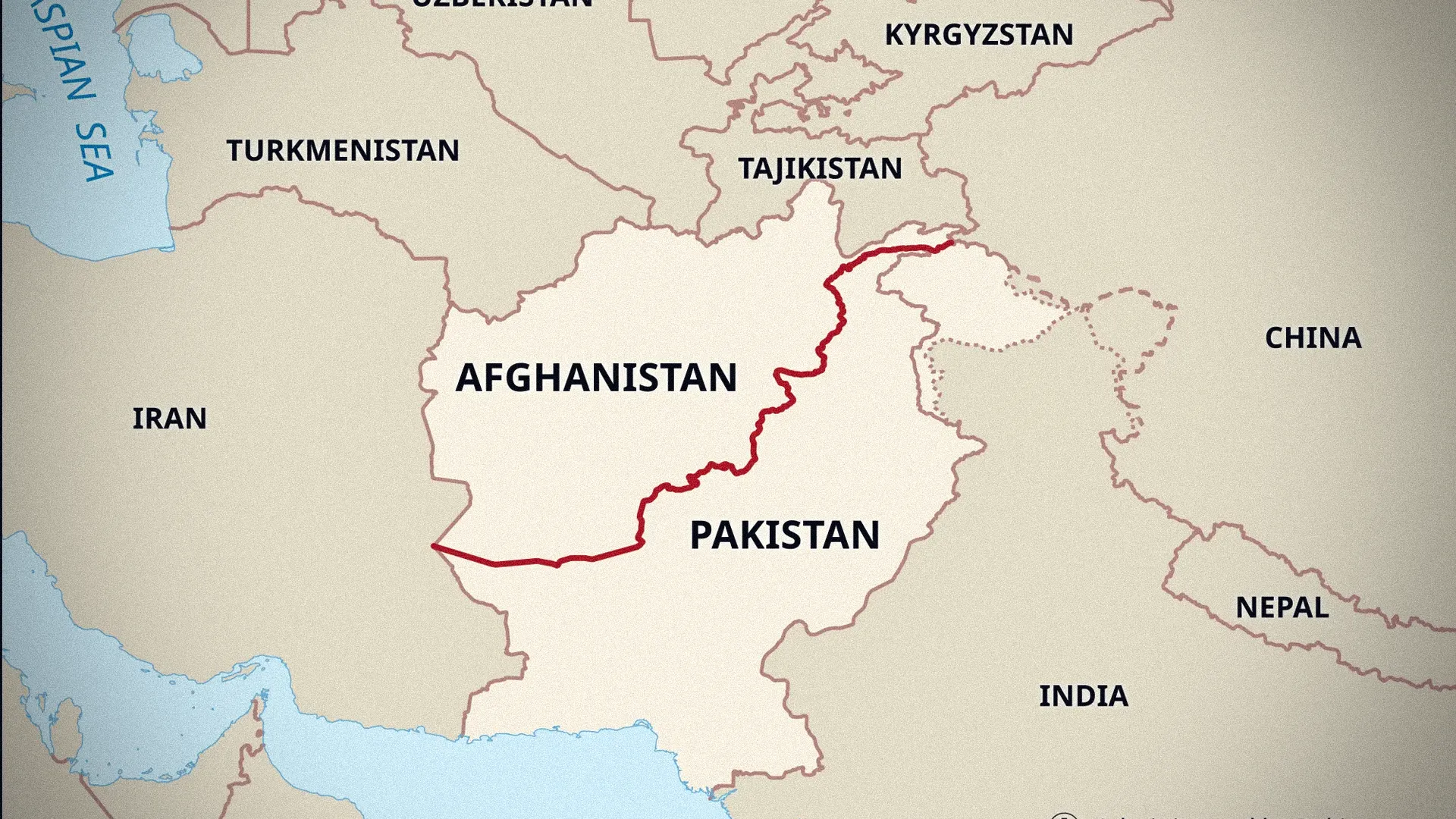



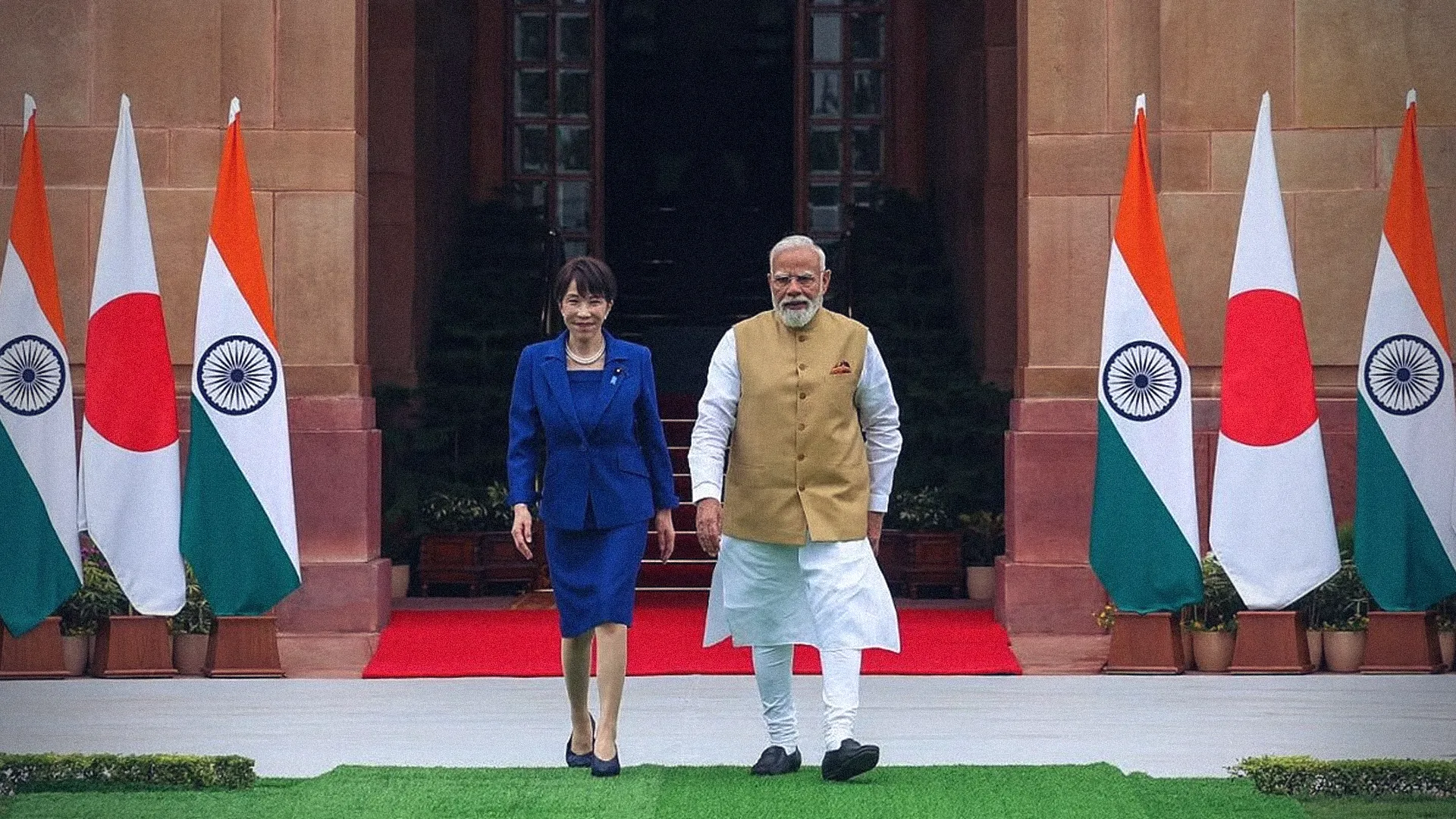
Kathmandu | International Desk - Following the recent joint statement issued by India and Japan expressing a strong commitment against cross-border terrorism, international media outlets have reported widespread discussions in Pakistan regarding its political and diplomatic impact.
In the joint statement, both countries explicitly stated that terrorism should not be supported, protected, or sheltered in any form, while calling on the international community to move forward in a coordinated manner against terrorist networks. According to analysts, this statement indicates that anti-terrorism cooperation between India and Japan, which have been prioritizing security collaboration in the Indo-Pacific region, is gradually strengthening.
Japan reaffirmed its commitment to regional peace, maritime security, cyber security, and a rules-based international order while further expanding its strategic partnership with India. According to security experts, the growing collaboration between the two nations could play a crucial role in maintaining stability in the Indo-Pacific region.

Interested in this ad?
Would you like to continue to the link or provide your information for more details?
Please provide your information
To continue, please fill in your details
Meanwhile, some Pakistani media outlets have reportedly expressed dissatisfaction with the mention of cross-border terrorism in the joint statement. They criticized the reference, claiming attempts were made to link the issue to Pakistan. However, India has long maintained that the international community must take more effective measures against the sources of terrorist activities occurring on its soil.
According to international relations analysts, a major Asian democratic nation like Japan taking a clear stance against terrorism alongside India is viewed as a diplomatic success for India. In recent years, India has intensified its efforts to expand international anti-terrorism cooperation, increase intelligence sharing, and build common consensus on multilateral platforms.
Experts noted that in the current situation where security challenges are becoming increasingly complex, India-Japan cooperation is expected to further reinforce regional stability, a rules-based international order, and global anti-terrorism campaigns.