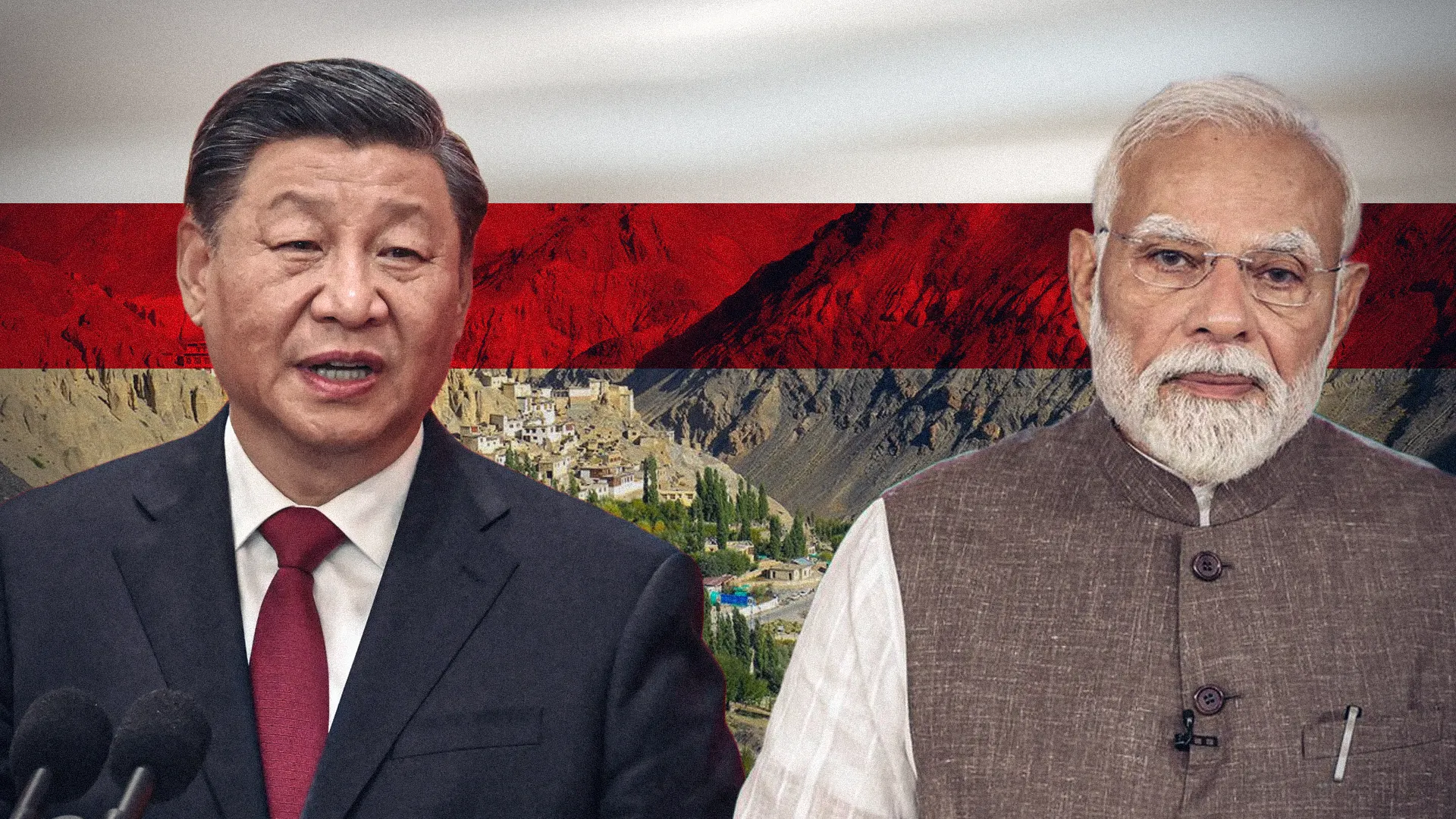



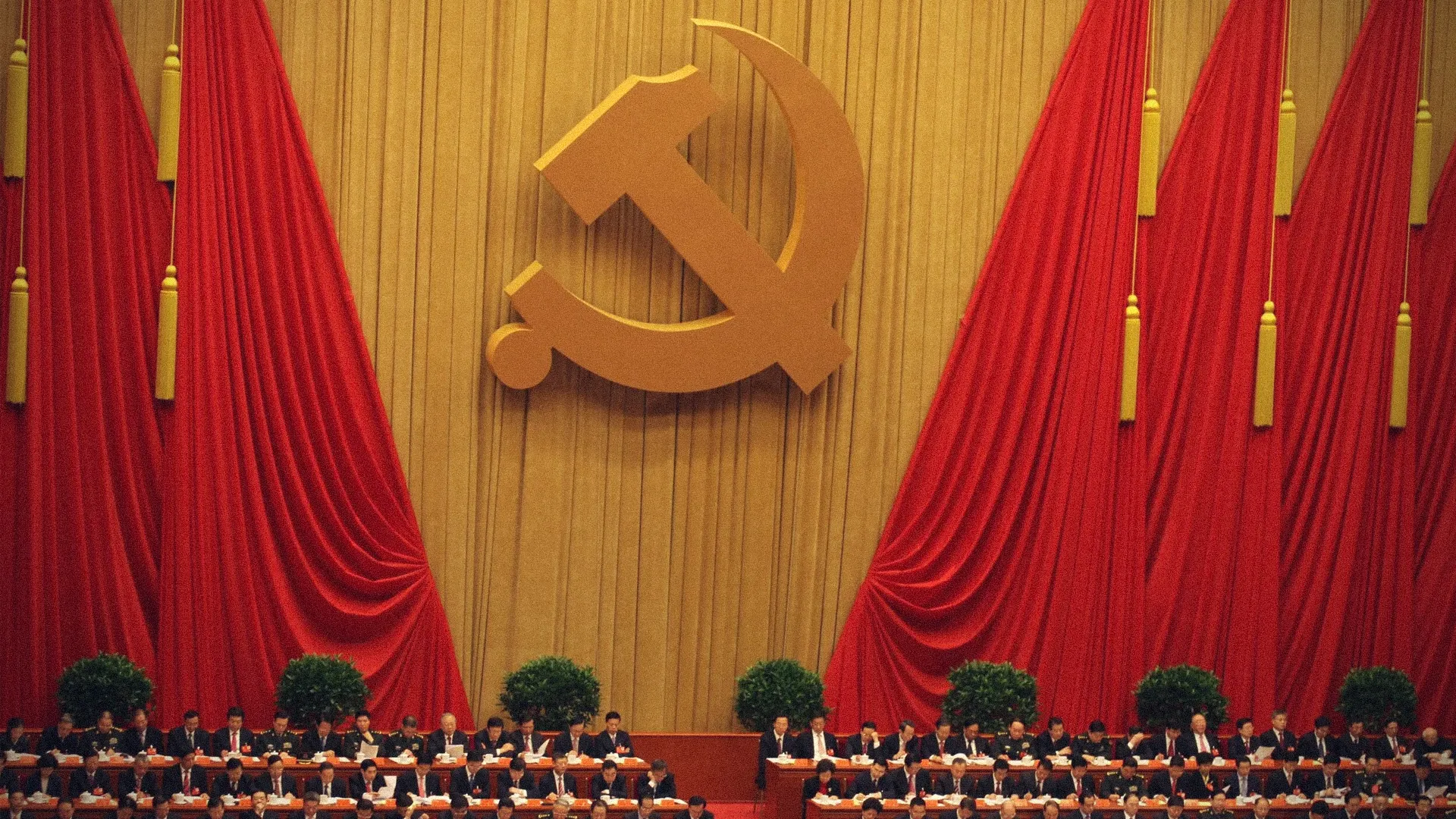
A sweeping wave of leadership turnover across China’s regional administrations is highlighting the delicate balance between Beijing's central control and the demands of local governance. As the Chinese Communist Party gears up for its 21st National Congress in 2027, top-level political rotations have reached unprecedented speed, placing short-term political alignment ahead of administrative stability.
The latest administrative shift saw six provincial-level party leaders reassigned in just 48 hours this past September. A chain-reaction transfer saw former Gansu chief Hu Changsheng appointed to Tibet, former Qinghai leader Wu Xiaojun moved to Gansu, and Gansu Governor Luo Dongchuan elevated to head Qinghai. Similar top-level shifts simultaneously took place across Fujian, Henan, and Anhui.
This rapid movement is part of a much broader restructuring pattern. Since October 2023, 19 out of China’s 31 provincial-level jurisdictions have undergone leadership changes, with regions such as Qinghai, Hubei, and Anhui experiencing multiple leadership swaps in short succession.
Historically, regional leaders held positions long enough to execute long-term policy visions. Research tracking appointments between 1994 and 2012 shows that provincial party secretaries previously averaged 4.55 years in office, while governors averaged 4.18 years. Under President Xi Jinping, however, average tenures plummeted to roughly 1.6 years by 2021.

Interested in this ad?
Would you like to continue to the link or provide your information for more details?
Please provide your information
To continue, please fill in your details
Politically, these frequent rotations prevent provincial leaders from constructing autonomous political strongholds, mitigating risks associated with historic local fiefdoms like those previously linked to Chongqing and Sichuan. However, this tight central oversight incurs significant administrative costs.
Officials serving brief, uncertain terms are often incentivized to prioritize immediate, high-visibility projects rather than confronting deep-rooted economic challenges. Critical issues such as soaring local government debt, industrial overcapacity, and structural economic reforms require sustained management that short-term tenures struggle to support. Furthermore, newly arrived officials lacking local roots frequently end up reliant on the entrenched municipal bureaucracies they are meant to supervise.
As Beijing continues preparing its leadership pipeline for 2027, the central government faces a critical trade-off: while rapid leadership turnover effectively enforces party loyalty, it risks eroding institutional memory and administrative capacity when local stability is needed most.