


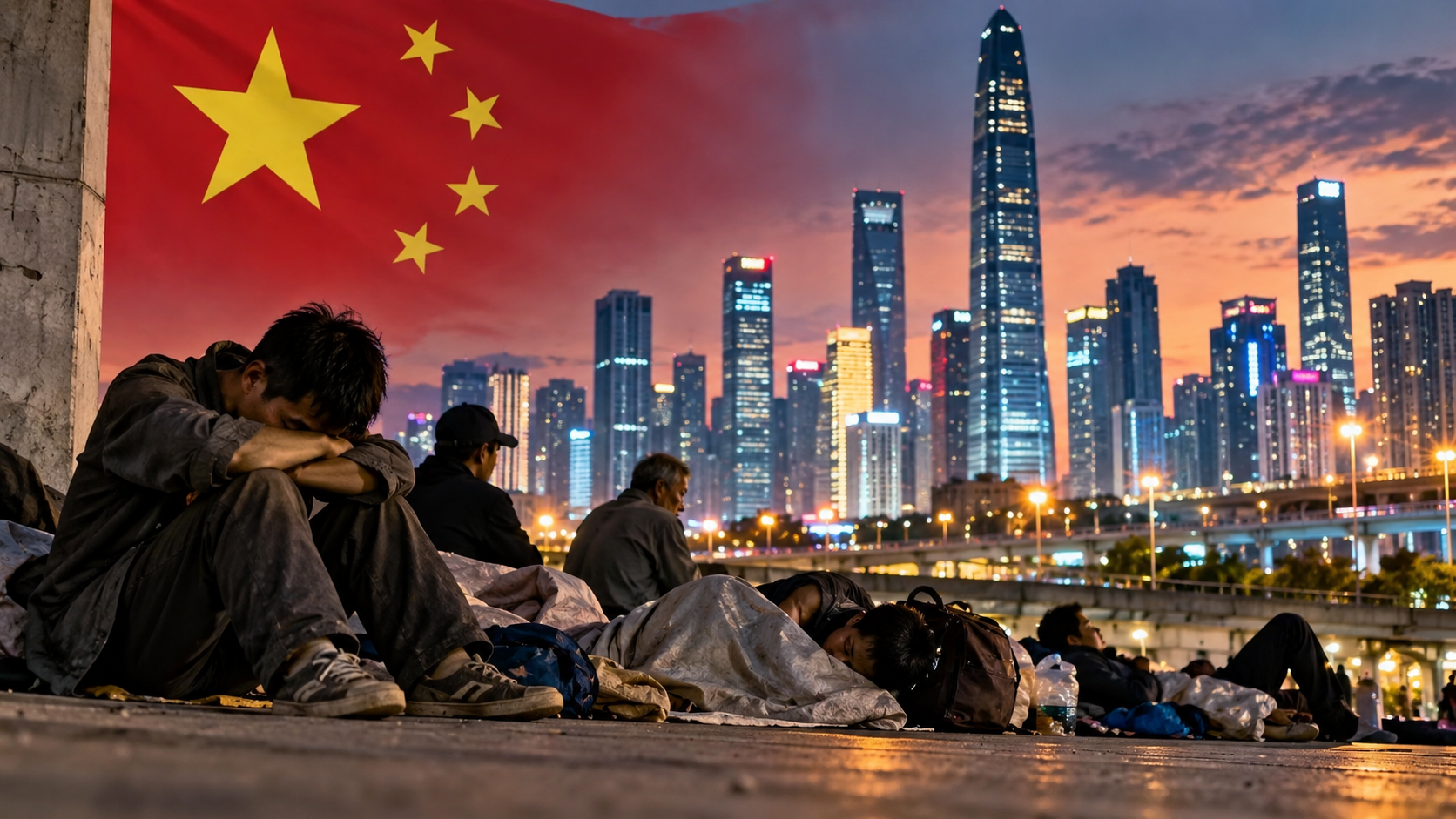
Shenzhen, once celebrated as a symbol of China’s reform and economic opening, presents a stark contrast between its glittering skyline and the hardship faced by people struggling to survive. The document describes young people queuing at Communist Party service centres for basic necessities such as free Wi-Fi, food and water, while others sleep under bridges, in subway stations and on park benches. One account describes a job seeker who, after five days without success, considered sleeping in a park.
The document cites a reported survey attributed to China’s National Bureau of Statistics, claiming that 47.5 million Chinese citizens were homeless by August 2025—five times the reported figure in 2020. The figure is presented as having been reported by The Hill, although the methodology and underlying survey cannot be independently established from the material provided. The document argues that the reported increase points to serious economic and social pressures beneath China’s headline economic figures.
According to the account, China’s emerging homelessness problem has several distinctive characteristics: it is described as large-scale, increasingly youthful, predominantly urban and often involving people who do not engage in traditional street begging. More than 61 percent of those identified in the document are reportedly under the age of 33. The article links this to employment pressures facing young people, including graduates, delivery workers and former white-collar employees.
The document also identifies an elderly population among those experiencing homelessness. It estimates that approximately 25 percent are elderly people lacking adequate family or social support. Their situation highlights concerns about the ability of welfare and pension systems to protect vulnerable citizens when family assistance and stable income disappear.
Employment pressures are presented as one of the principal drivers of the crisis. In Guangdong, a major manufacturing centre, the document describes factories facing declining orders and workers increasingly relying on short-term and unstable employment. Migrant workers and food-delivery drivers are described as sleeping under bridges or in other public spaces because they cannot afford rent.
Chinese social media videos are also cited in the document as showing railway stations being used as makeshift sleeping areas, with unemployed young people sleeping on floors. Such images have generated online discussion about unemployment, housing costs and the difficulties faced by people who have fallen out of the formal labour market.
Behind the broader statistics are individual stories of economic hardship. One account describes a young man sleeping under a bridge who reportedly sold his mobile phone to buy food and said that he had no other choice. Such stories illustrate how the loss of employment can quickly become a housing crisis when individuals have limited savings or social protection.
The document divides those experiencing homelessness into three broad groups. The first consists of unemployed workers, including graduates, laid-off employees and gig workers who can no longer afford housing. The second includes people overwhelmed by debt, including mortgages, vehicle loans and online loans, whose financial situations deteriorate rapidly after losing their income. The third consists of elderly and unsupported people who lack adequate family or welfare assistance.
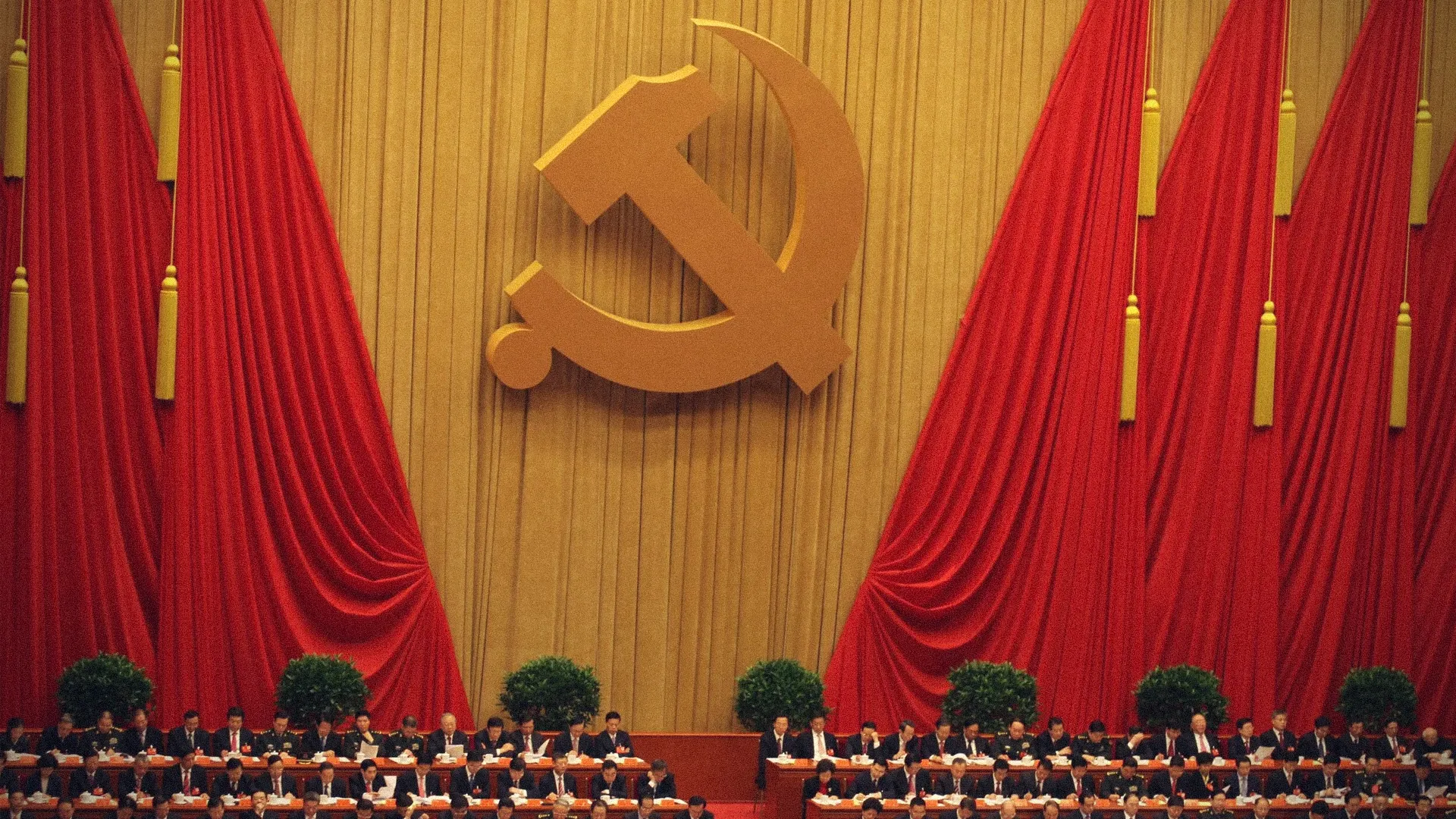
The document is particularly critical of government responses. Communist Party service centres are described as being promoted as places where vulnerable people can receive assistance, but the article recounts cases in which facilities were allegedly empty, understaffed or subject to restrictions on access. One account describes a person suffering from heat exhaustion who was allegedly refused water at a service centre, while another facility was reportedly found without staff or meaningful services.
According to the document, such centres can become mechanisms for moving homeless people away from highly visible public areas rather than addressing the underlying causes of homelessness. The article argues that providing temporary services without stable employment, housing and social protection does little to resolve the problem.
The document also connects the crisis to China’s broader economic transformation. It argues that rapid technological development and the adoption of artificial intelligence could place additional pressure on workers in some sectors, while businesses that once provided employment have contracted. It describes couples who established small businesses and later lost their livelihoods, forcing them into food delivery and ride-hailing work.

Interested in this ad?
Would you like to continue to the link or provide your information for more details?
Please provide your information
To continue, please fill in your details
One example concerns a wedding-planning company that had operated for seven years before collapsing, leaving its owners without a stable source of income. Such cases, the document argues, demonstrate how quickly China’s small-business sector can become vulnerable when consumer demand weakens and operating conditions deteriorate.
The article further argues that official economic indicators do not necessarily capture the full extent of household hardship. Economic growth figures can measure production and investment, but they do not automatically reveal whether individuals have secure employment, affordable housing or adequate social protection.
The document also discusses changing terminology surrounding homelessness. It states that Chinese legislators proposed in April 2026 replacing the term “homeless beggars” with “displaced persons.” The article interprets the proposed terminology as an attempt to change the language surrounding the problem rather than address its underlying causes.
Beyond employment and housing, the document describes growing signs of household financial stress. It recounts families living extremely frugally, people searching for leftover food in markets and young workers collecting discarded vegetables. These accounts are presented as evidence of people moving beyond ordinary frugality into survival strategies.
For many households, the combination of unemployment, debt, housing costs and limited social support can create a downward spiral. Losing a job can make rent unaffordable; losing housing can make finding stable employment more difficult; and debt can further reduce the ability to recover financially.
The document ultimately portrays homelessness as part of a wider social and economic challenge rather than simply an issue involving people living on the streets. It connects the problem to employment insecurity, housing affordability, demographic pressures, debt and weaknesses in social protection.
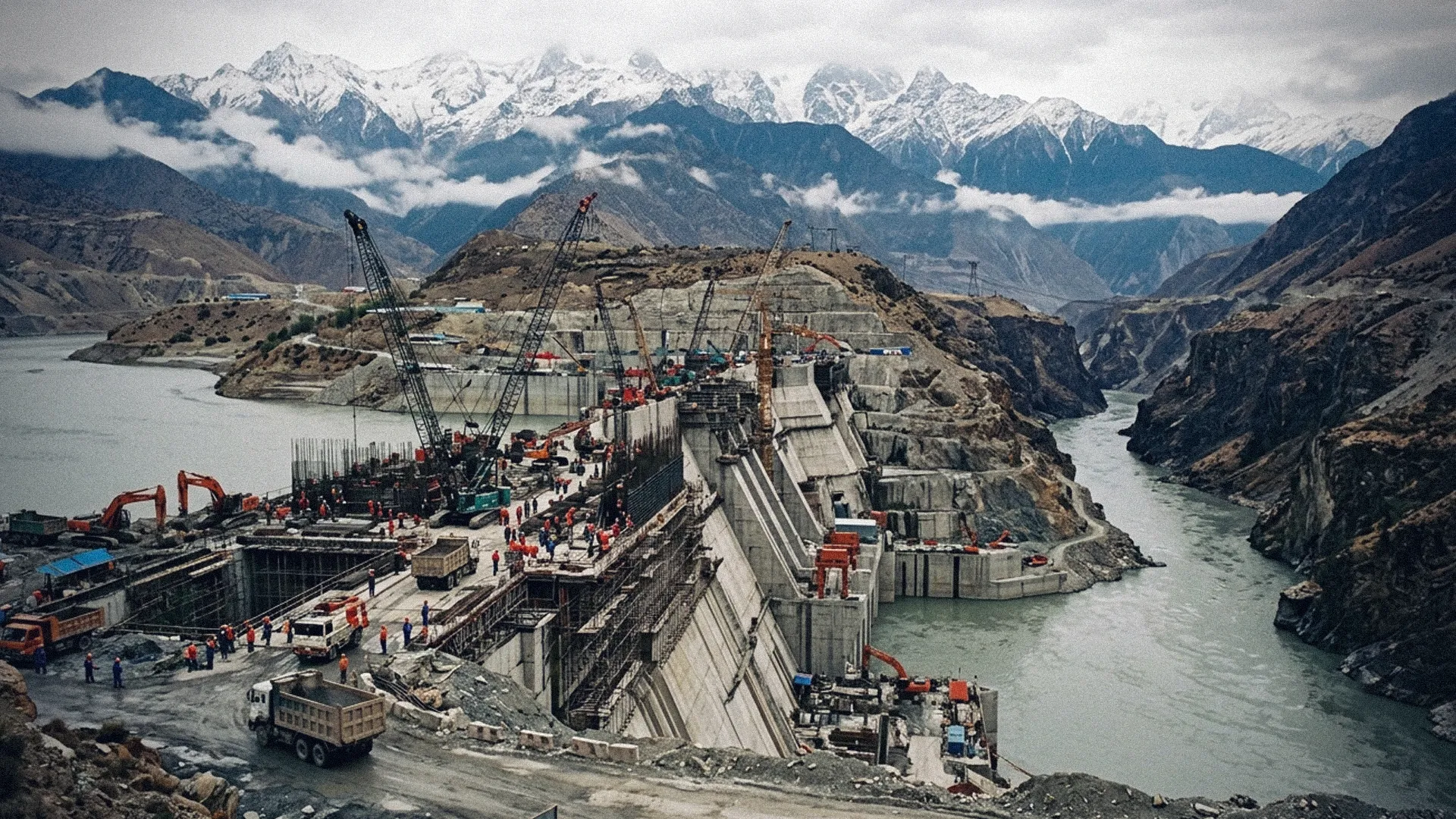
China has invested heavily in infrastructure, urban development and large-scale economic projects over several decades. Yet the accounts presented in the document raise questions about how effectively the benefits of that development reach people who lose their jobs or cannot afford housing.
The central human reality described is simple: people who once had jobs, homes and businesses can find themselves without secure shelter when income disappears. Young graduates, migrant workers, small-business owners, gig workers and elderly people can all become vulnerable under different circumstances.
The document concludes that the reported homelessness crisis deserves greater attention because it represents more than visible poverty. It reflects the consequences of economic insecurity for people who may have previously considered themselves part of China’s rapidly expanding middle class.
The scale of the reported 47.5 million figure should be treated cautiously because the underlying survey and methodology are not independently established by the material provided. Nevertheless, the individual accounts and broader issues described in the document raise significant questions about unemployment, housing affordability, social welfare and the capacity of China’s economic system to protect people facing sudden financial collapse.
For those sleeping under bridges, in railway stations or on public benches, economic statistics offer little immediate relief. Their most urgent concerns are basic ones: finding work, securing food and having somewhere safe to sleep.