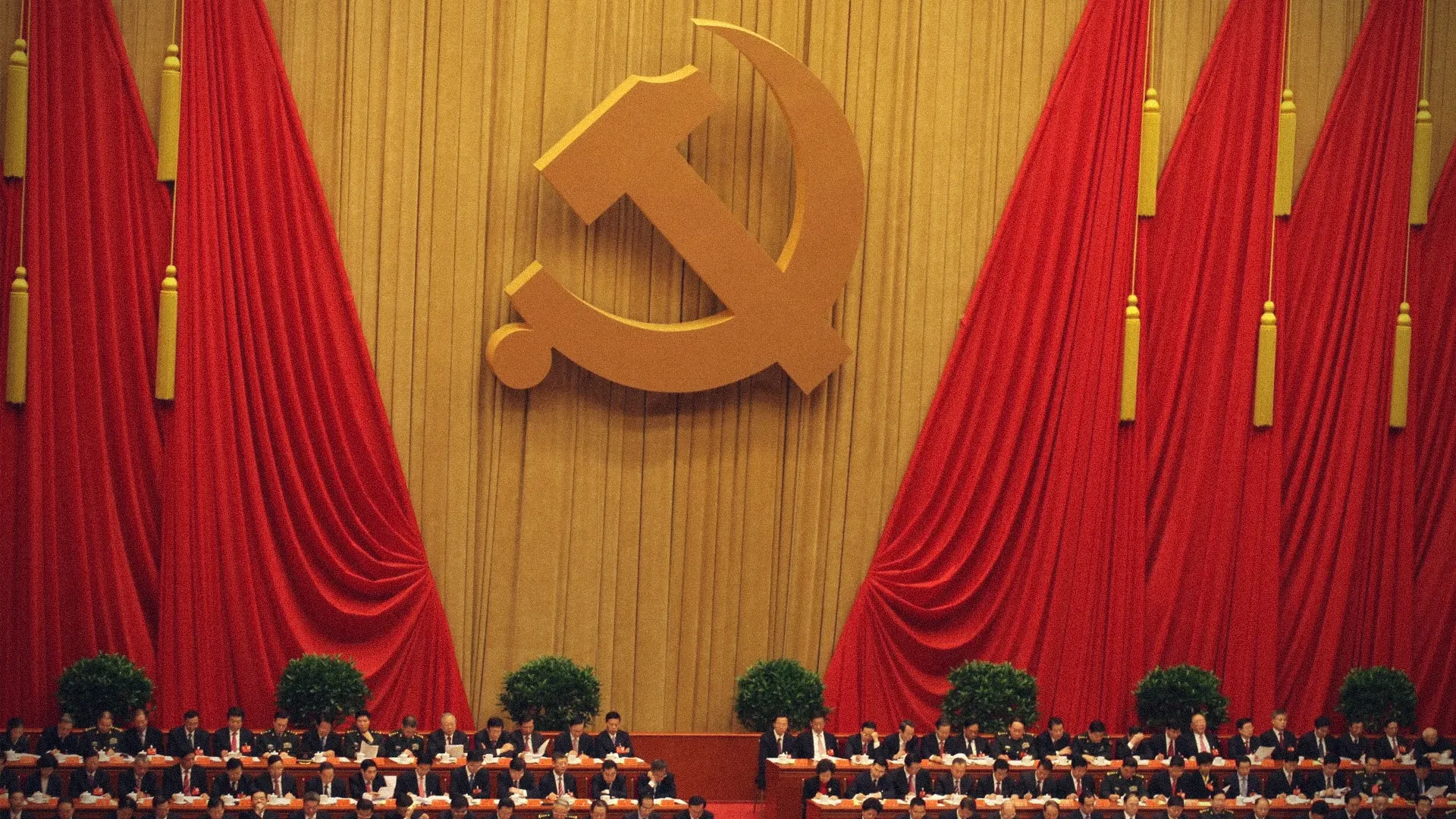



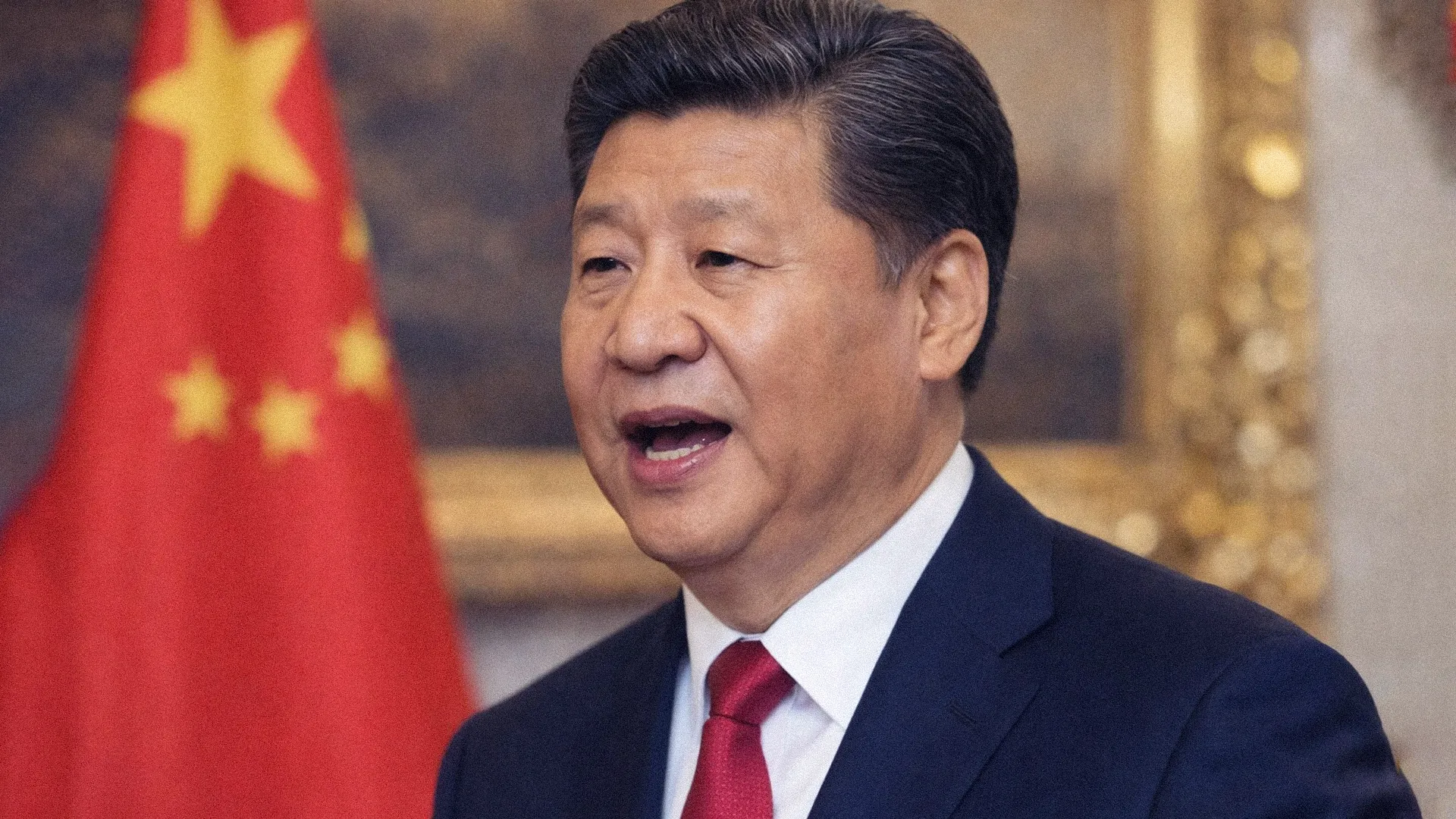
China’s supreme decision-making body, the Communist Party Politburo, is facing mounting scrutiny over political inclusivity as representation of women and ethnic minorities has dropped to zero under President Xi Jinping.
According to an analysis by Chandu Doddi published in The Irrawaddy, the 2022 Politburo selection comprised 24 men, all belonging to the majority Han ethnic group. This marked the first time in 25 years that the body lacked female representation, while completely excluding China's 55 officially recognized ethnic minority groups. Subsequent expulsions of senior officials have further reduced active Politburo membership to just 21 leaders, underscoring an unprecedented concentration of authority in Beijing.
While women and minorities maintain significant presence at lower party levels—accounting for 31.5 percent and 7.8 percent of the party's 101.3 million members by late 2025—their footprint shrinks dramatically toward the top. Out of the 205 full members in the Central Committee elected during the 20th Party Congress, only 11 are women and nine belong to ethnic minorities.
Prominent figures like Shen Yiqin, a leader from the Bai ethnic community who served as Guizhou governor and later became State Councilor in 2023, remain excluded from the Politburo. Experts observe that female officials are largely confined to social and federation roles, whereas key portfolios in finance, security, and party organization remain heavily dominated by male counterparts.
Likewise, statutory provisions require regional governments in autonomous zones to be led by minority figures, yet the influential post of party secretary in those regions remains overwhelmingly in Han hands. Under President Xi, official policy emphasizes central party loyalty and a unified national identity over distinct ethnic representation.
As China faces critical socio-economic pressures ranging from demographic decline to sensitive regional policies in Xinjiang and Tibet, analysts stress that diverse leadership could foster broader governance perspectives. The upcoming 21st Party Congress in 2027 will serve as a crucial benchmark to test whether Beijing will act on commitments to diversify its political command structure.