


Democracy is not a static inheritance; it is a continuous practice. Its earliest documented roots trace back to ancient Athens in 508–507 BCE, when reforms under Cleisthenes broadened civic participation. What we now recognize as modern representative democracy—anchored in constitutionalism and periodic elections—took firmer institutional shape in England after the Glorious Revolution of 1688.
Nepal’s own democratic path has been layered and often turbulent. Following the historic changes of 2007 BS, the country conducted its first general election in 1959 (2015 BS), marking the formal exercise of popular sovereignty. Today, as we navigate our federal republican framework, the structure of our democracy is established, but the pursuit of genuine political stability remains unfulfilled.
The Gen Z Awakening and the Risk of Unrest
Recent years have witnessed a profound shift in Nepal’s political landscape, driven by Generation Z and younger millennials. This demographic, entirely raised within a republican framework, is digitally connected and increasingly vocal about governance, transparency, and the lack of domestic opportunity.
We saw this frustration reach a boiling point during the historic Gen Z protests of September 2025. Triggered by a sweeping ban on social media platforms and fueled by deep-seated anger over corruption, elite impunity, and the lavish lifestyles of political insiders, the youth took to the streets. What began as an expression of digital-age frustration rapidly escalated, ultimately forcing the resignation of then-Prime Minister KP Sharma Oli and leading to the appointment of an interim government under former Chief Justice Sushila Karki. This transition came at a devastating human cost, claiming the lives of over 70 individuals and exposing the deep vulnerabilities of our political establishment.
With the official electoral calendar now confirming that the House of Representatives election will take place on the upcoming Falgun 21 (March 5), the time for speculation has passed. The urgency for voter readiness is no longer a matter of 'if' or 'when'—it is an immediate, pressing reality.
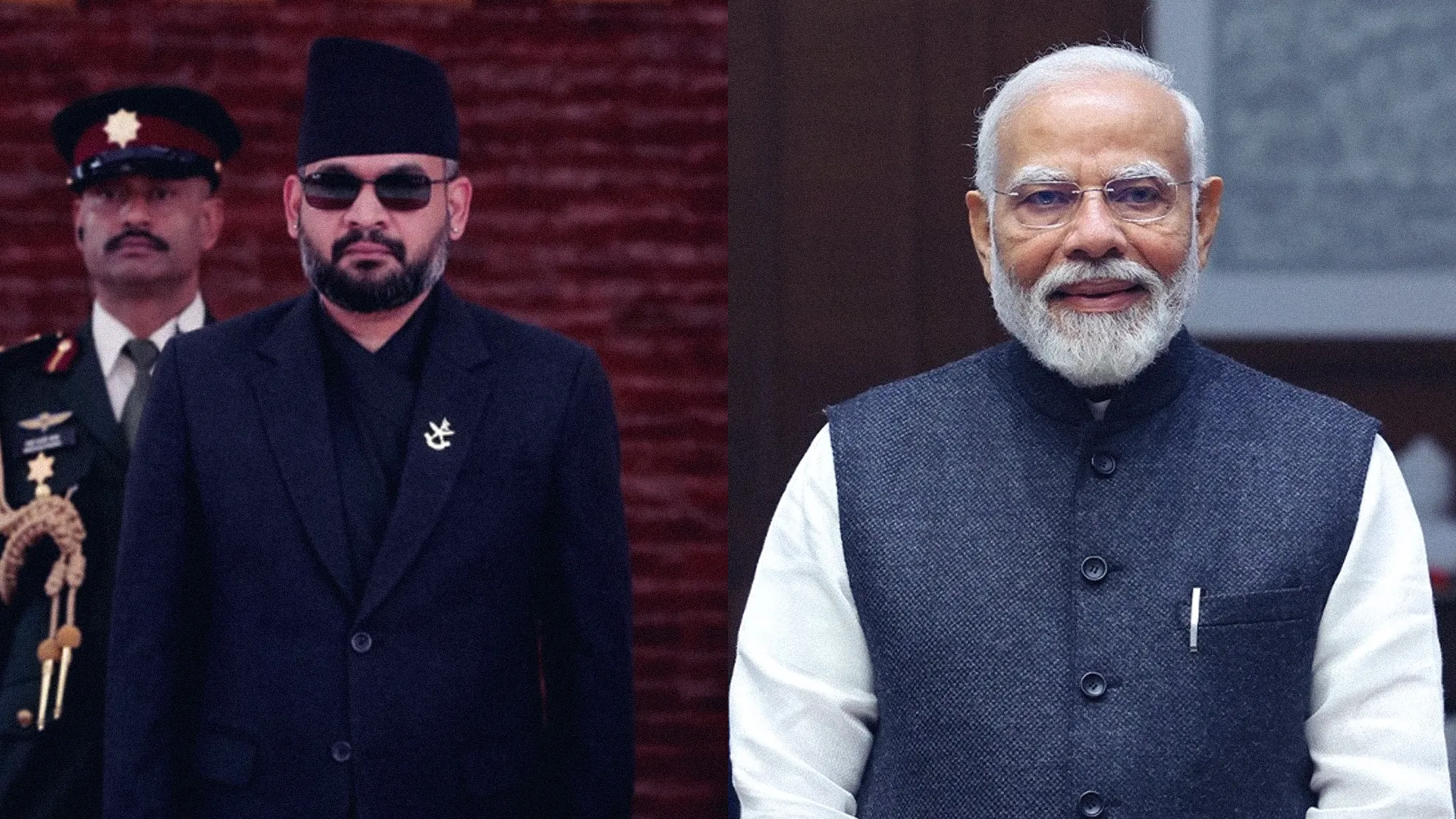
If the upcoming elections fail to reflect the public's demand for change, and if leadership that has already been heavily critiqued and overwhelmingly disapproved by the youth—such as KP Oli and the traditional old guard—returns to power without a renewed, transparent mandate, the country risks severe political friction. A recurrent cycle of public dissatisfaction, unaddressed by the ballot box, could scale into massive, disruptive conflict far exceeding the tragic events of September 2025.
Defining True Leadership
To prevent further instability, the focus must shift from street protest to strategic electoral participation. However, the demand for "new" leadership must also be anchored in substance.

Interested in this ad?
Would you like to continue to the link or provide your information for more details?
Please provide your information
To continue, please fill in your details
If a new generation of leaders is to emerge, they must be rigorously scrutinized based on the following criteria:
-
Substance Over Spectacle: Politics is not a platform for comedians, populists, or mere entertainers. Governing a nation is a deeply serious endeavor requiring institutional understanding.
-
Integrity: The new leadership must be free from corruption, possessing an unblemished record and a commitment to fiscal transparency.
-
Policy Focus: We need leaders capable of drafting and executing youth-friendly employment policies, ensuring the rule of law, and maintaining diplomatic balance.
Charisma without capacity cannot sustain stability. Fragmented mandates and superficial leadership only translate into fragile coalitions and stalled development.
The Power of the Ballot
Protest can highlight a systemic problem, but only the ballot can deliver a structural solution. If young voters disengage from the electoral process, established political networks will continue to dominate the outcomes.
Democracy requires citizens to use their sovereign right decisively. This means:
-
Registering to vote and ensuring voter rolls are updated.
-
Scrutinizing the manifestos and track records of all candidates.
-
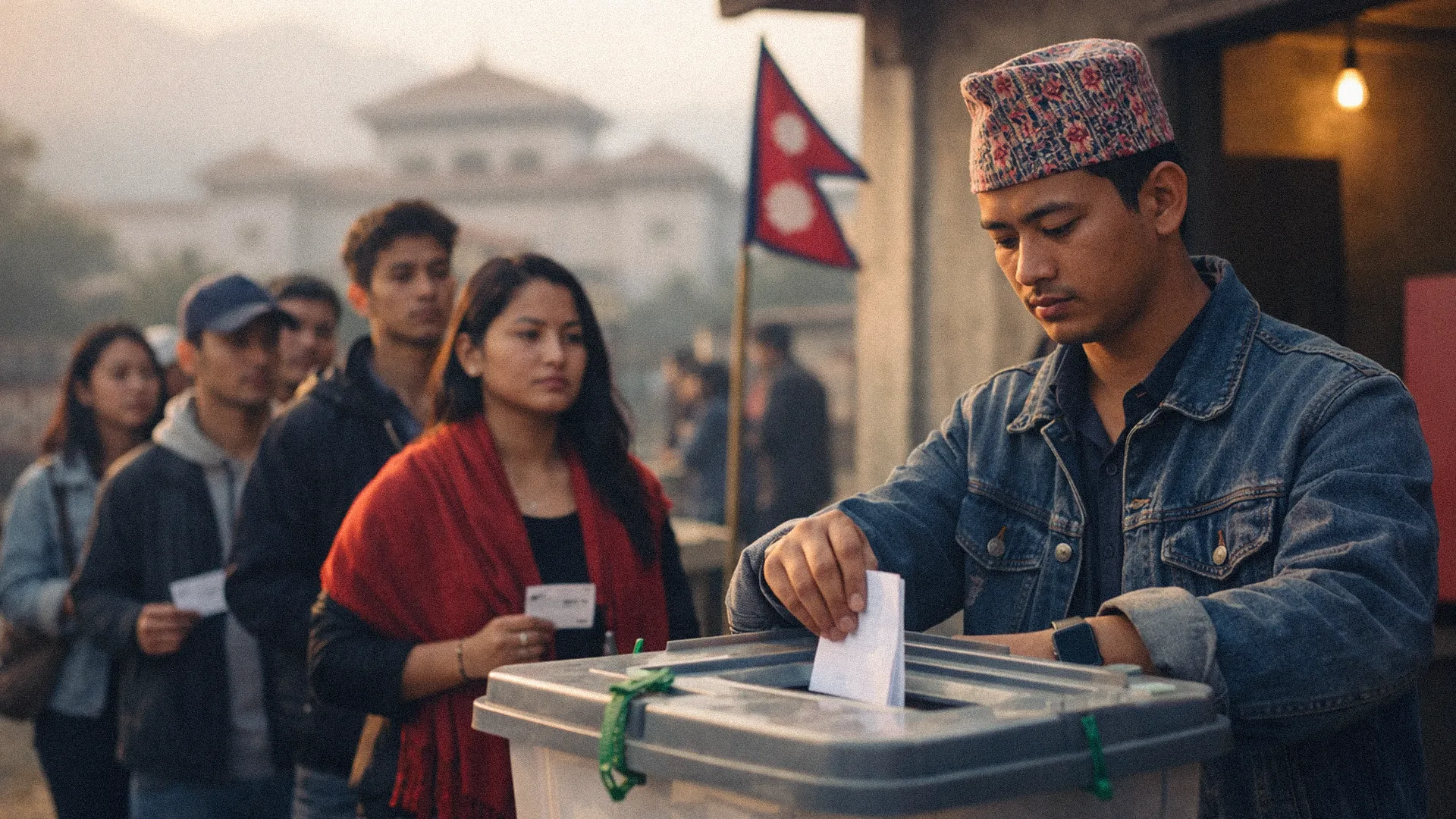
Turning out in large numbers on election day to mandate serious, competent leadership.
At this critical crossroads, political stability is not an abstract ideal—it is a choice. It is time for the youth of Nepal to step up, convert their dissatisfaction into disciplined democratic action, and vote to shape the future of the nation.