
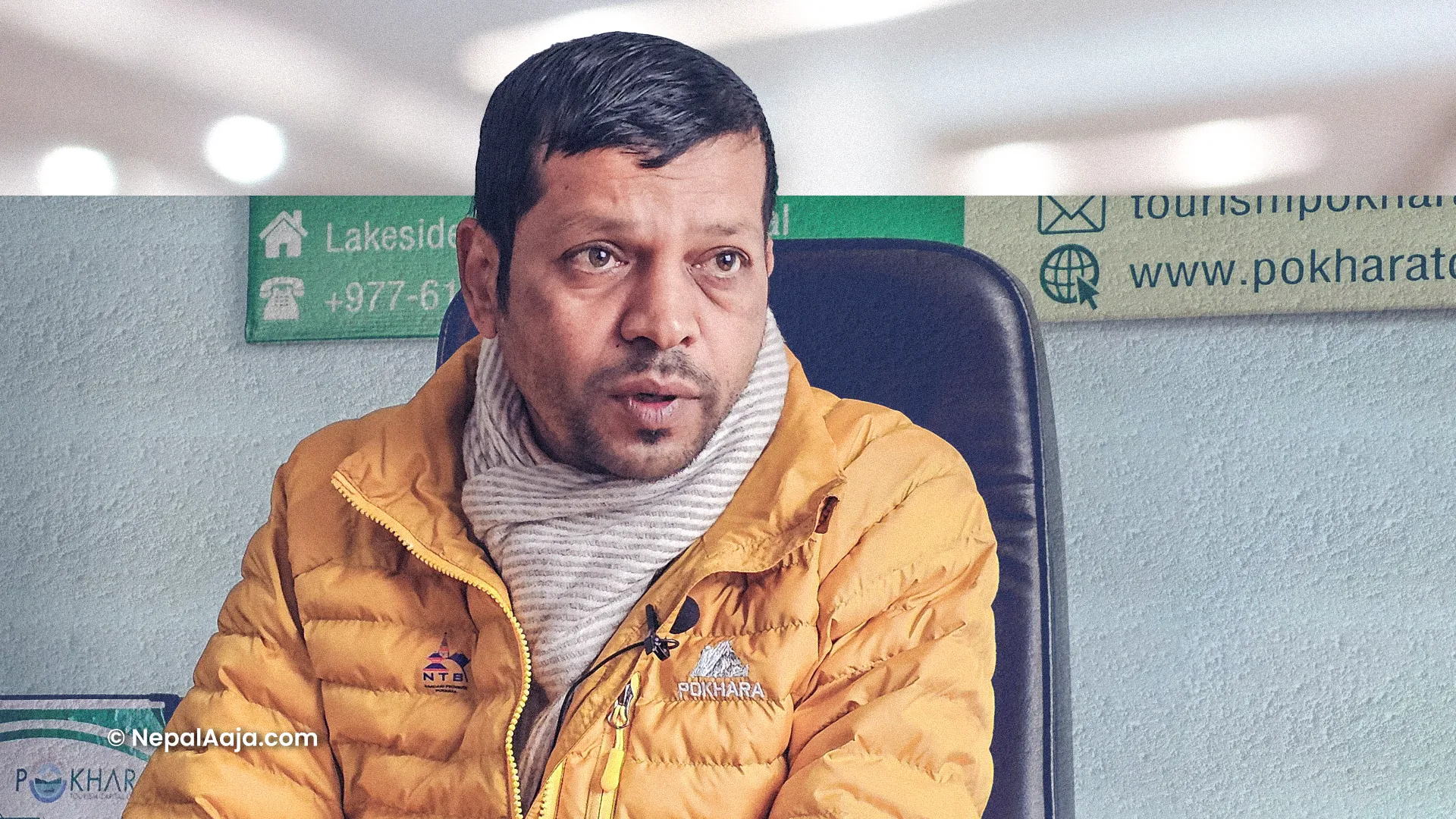
Pokhara. Stakeholders have stated that Pokhara's tourism business is collapsing due to the inability to operate the Pokhara International Airport, built with billions in investment, and the lack of a clear government tourism policy.
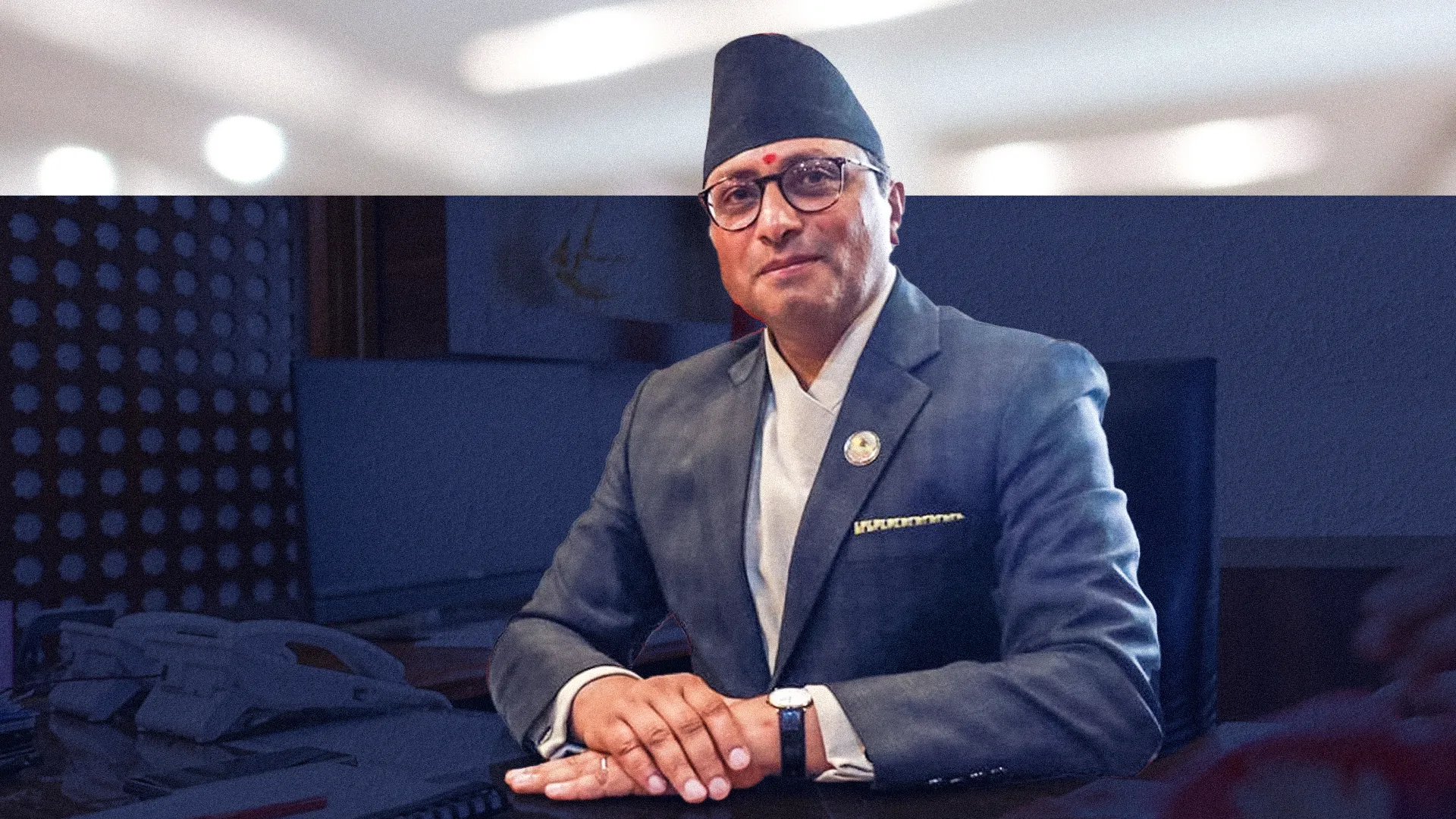
Taranath Pahari, President of the Pokhara Tourism Council, complained that Pokhara's tourism sector is facing multi-dimensional hits due to the state's short-sighted policies. He said the tourism sector has not been able to gain expected benefits due to the airport's non-operation, destruction of trekking trails by haphazard road construction, shrinking of paragliding, and lack of proper management of Indian tourists.
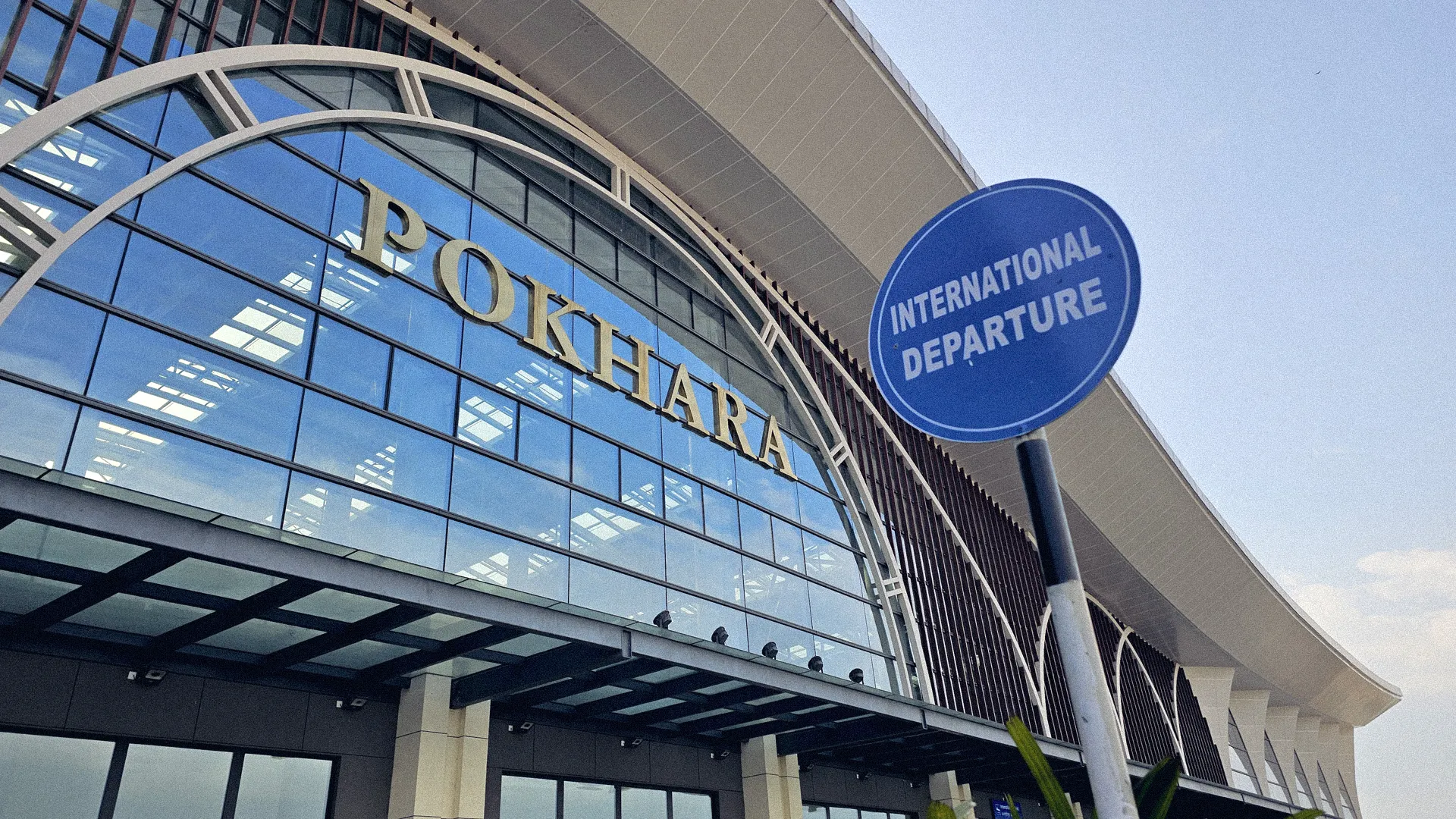
Entrepreneurs who were excited after the airport construction are now in debt
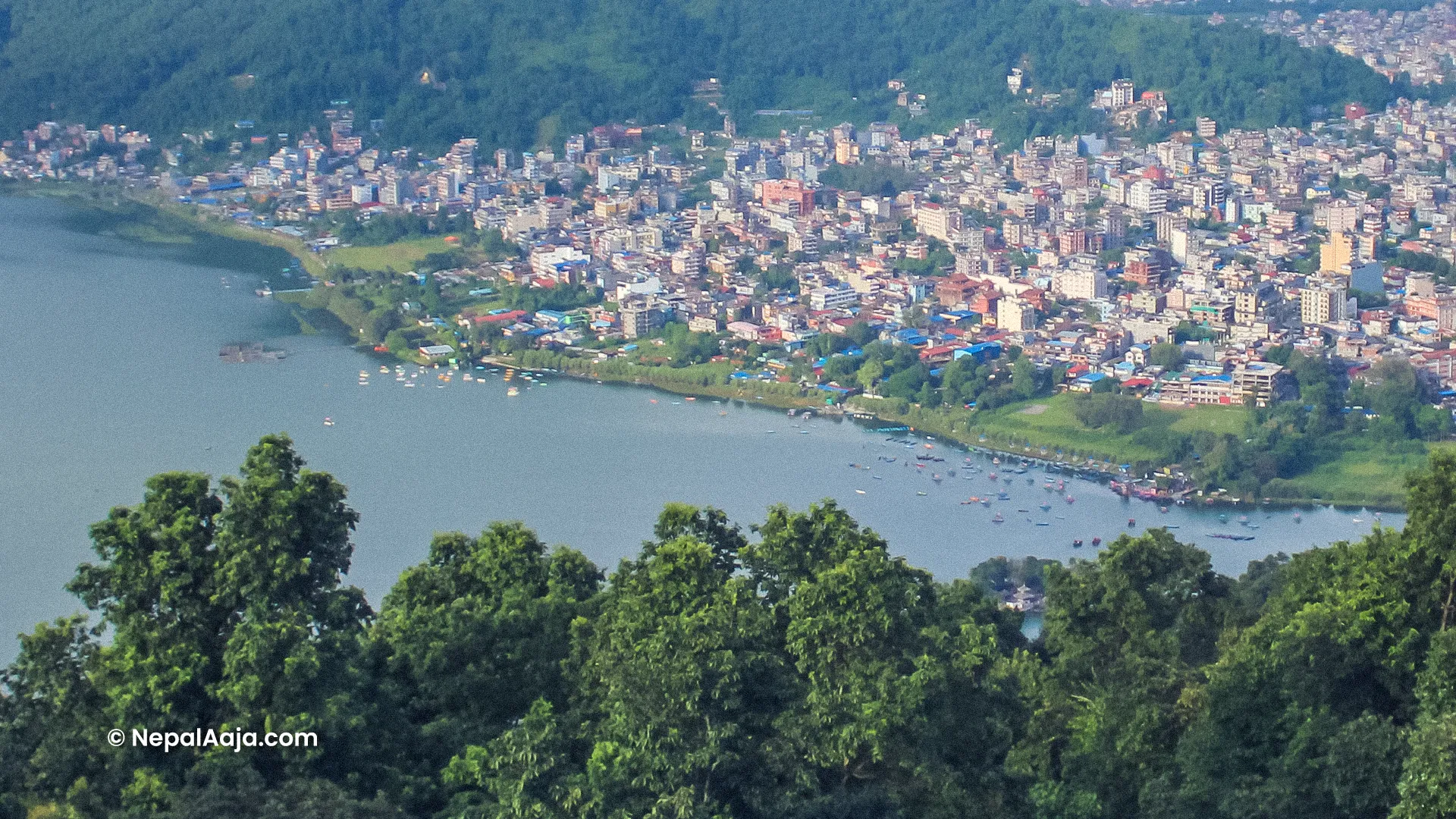
According to President Pahari, entrepreneurs made aggressive investments in infrastructure and hotels with the hope that tourists would flock to Pokhara once the international airport was built. Currently, hotels with a daily capacity of 40,000 beds are operating in Pokhara. However, due to the lack of international flights from the airport, hotel occupancy is extremely low, causing entrepreneurs to suffer greatly as they are unable to repay bank loans.
"Whether there was a scam in the airport construction or the impact of geopolitics might be within the scope of the state's investigation, but the state must operate the constructed airport at any cost," Pahari said. "The state has not paid attention to flying even the narrow-body aircraft of the national flag carrier Nepal Airlines Corporation." He added that the 13 percent VAT imposed on air tickets has also made the destination expensive, negatively impacting tourist arrivals.
Paragliding became a 'caged bird,' pilots going abroad
Pokhara's paragliding, which ranks among the top five in the world, has fallen into crisis with the operation of the new airport. Pahari stated that paragliding has become like a 'caged bird' as it is restricted to a small area due to the airport's airspace. Especially 'solo flights' (flying alone), preferred by foreign tourists, are almost closed, and paragliding schools have also shut down. As the flight area shrinks, Nepali pilots have started migrating to countries like India for employment.
21-day Annapurna trekking trail destroyed by dusty roads
Mountain tourism and trekking have been badly affected by haphazard road construction using dozers in hilly areas. The 21-day Annapurna trekking trail, once among the world's best, has now shrunk to 7/8 days due to roads. With the destruction of the trail, the tourists' length of stay has decreased. The Council complained that the state has shown no interest in building alternative trekking trails for tourists alongside road expansion.
Pressure of Indian tourists, but zero management
Although the pressure of Indian tourists going specifically for Muktinath darshan has increased in Pokhara, the local economy has not benefited from it. "Many Indian tourists come directly from Gorakhpur in reserved buses, sleep in the vehicle, and reach Muktinath directly," Pahari said. "As they do not use local hotels and the state has not built parking and 'breaking centers' (rest stops) targeting them, it has only increased the crowd in the market."
Additionally, while tourist vehicles coming from India operate freely across Nepal by paying cheap taxes based on kilometers, Nepal's tourist vehicles, which pay high taxes, are on the verge of displacement. Pahari alleged that while implementing embossed number plates, the government put the 'green plate'—which carries the identity of tourist vehicles—in the same category, erasing its international reputation.
Policy entanglements and demand for solutions
The Council has objected, stating that even operating hotels are being troubled in the name of environmental studies. Although the provincial government previously gave good subsidies for homestay promotion, the continuity of such programs broke with the change in government.
President Pahari emphasized that to save Pokhara's tourism, all three levels of government must bring tourism-friendly policies, reopen closed adventure sports activities, and take diplomatic and commercial initiatives to operate Pokhara airport at full capacity.