

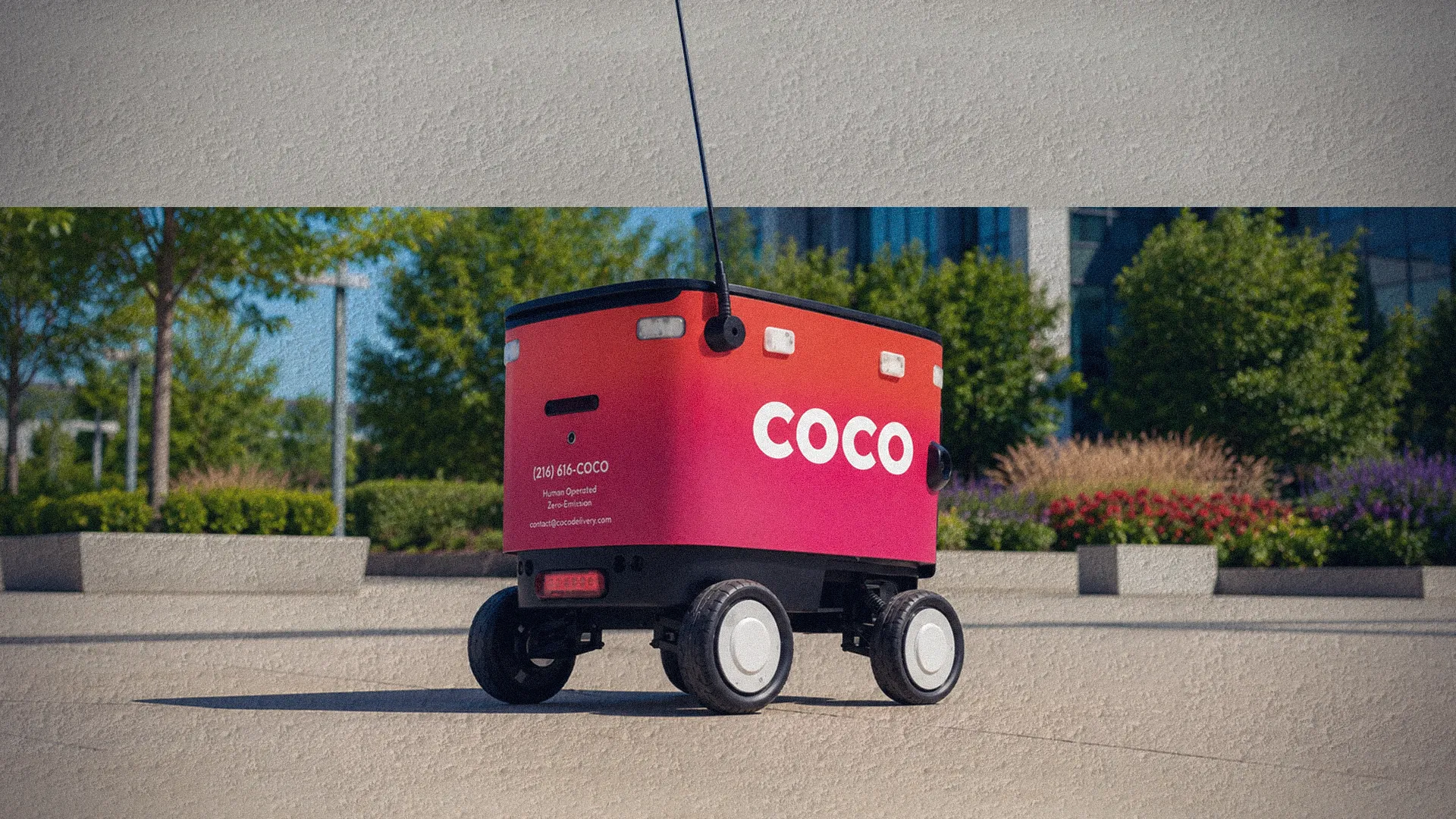
The sidewalks of Los Angeles are becoming increasingly crowded, not with people, but with autonomous machines. As tech companies rapidly deploy fleets of wheeled delivery coolers to navigate the city's walkways, local residents find themselves caught between amusement and intense frustration.
This friction has escalated following a massive rollout by Serve Robotics, which expanded its fleet by 500 units across 40 Los Angeles neighborhoods this month, a steep climb from its limited two-neighborhood presence in 2023. Concurrently, UCLA-born Coco Robotics maintains roughly 300 machines citywide with active plans to grow, turning an already difficult city for pedestrians into a high-tech obstacle course.
The aggressive expansion has triggered a regulatory backlash across American cities. Nearby Glendale is weighing a temporary ban on the machines, while Chicago has moved to restrict their footprint. Beyond the physical inconvenience of blocked pathways, critics warn that these automated couriers directly threaten the livelihoods of human delivery drivers.
Local business workers and patrons express deep ambivalence toward their new mechanical neighbors. Along Sunset Boulevard, staff at popular dining spots report that the robots frequently cause congestion around outdoor seating, block foot traffic, and have even collided with pedestrians. Workers at local juice bars also raised concerns regarding the challenges these obstructions pose to wheelchair users.
Despite the growing animosity, the machines have also evoked a peculiar sense of public sympathy. Viral videos of the robots struggling through severe rainstorms or displaying digital messages asking pedestrians to push crosswalk buttons for them have triggered an unexpected emotional attachment from onlookers.
However, the integration of this technology has not been entirely seamless or safe. Documented incidents include a robot shattering a Chicago bus shelter, a collision between a delivery bot and a driverless Waymo vehicle in Los Angeles, and an incident in New Jersey where an Avride robot allegedly injured a cyclist before attempting to leave the scene.
Urban planning experts suggest that the solution lies in stricter zoning and structural evaluation. Researchers at Cornell University have created a "robotability score" to help cities assess whether specific neighborhoods can structurally tolerate automated fleets without disrupting existing pedestrian flows, arguing that dense walking districts require different boundaries than sprawling urban layouts.
While tech executives acknowledge the "push and pull" of introducing automated infrastructure to public spaces, some residents have taken matters into their own hands. Small acts of physical resistance, such as turning off the machines or sitting on top of immobilized robots, have emerged as a statement against the privatization of public walkways.