
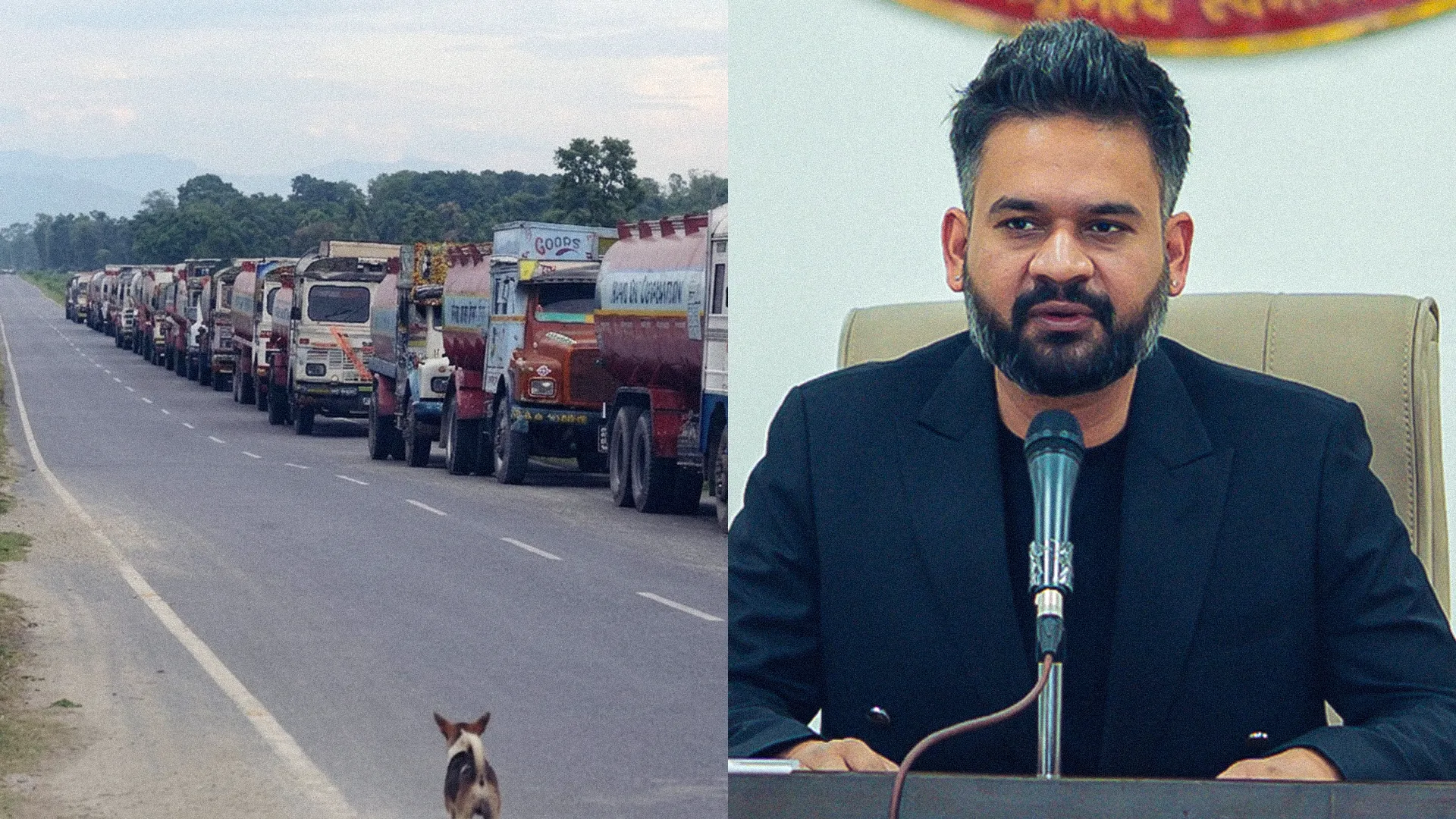
Kathmandu. Following the implementation of highly strict customs clearance policies by the government in import-dependent Nepal, inflation has surged drastically across the country. Due to the new policies, there is a massive traffic jam of freight vehicles at customs checkpoints along the Nepal-India border, while the shortage of consumer goods and price hikes in the domestic market have broken the backs of the general public.
State of Customs Checkpoints and Lack of Infrastructure
The government's recently implemented mandatory MRP (Maximum Retail Price) rule and the provision requiring customs duty on cross-border purchases exceeding Rs. 100 have created chaos at the checkpoints. Importers and daily commuters have been severely affected.
There are various types of customs offices along the Nepal-India border. There is a significant difference in the level of infrastructure at these checkpoints. Customs offices like Birgunj, Biratnagar, and Bhairahawa function as fully equipped Integrated Check Posts (ICPs) and handle heavy commercial cargo, whereas other checkpoints operate as small customs stations that primarily serve localized border trade and daily commuters. Due to the lack of infrastructure and the hassle of the new rules, the stalling of goods has now increased at all checkpoints, from large to small.
Inflation at a 1:3 Ratio and Declining Purchasing Power
According to journalists working in the border areas, inflation in the market has unnaturally increased by a 1:3 ratio (tripled) following the strict customs regulations. The prices of goods and services have skyrocketed, but people's incomes remain stagnant.
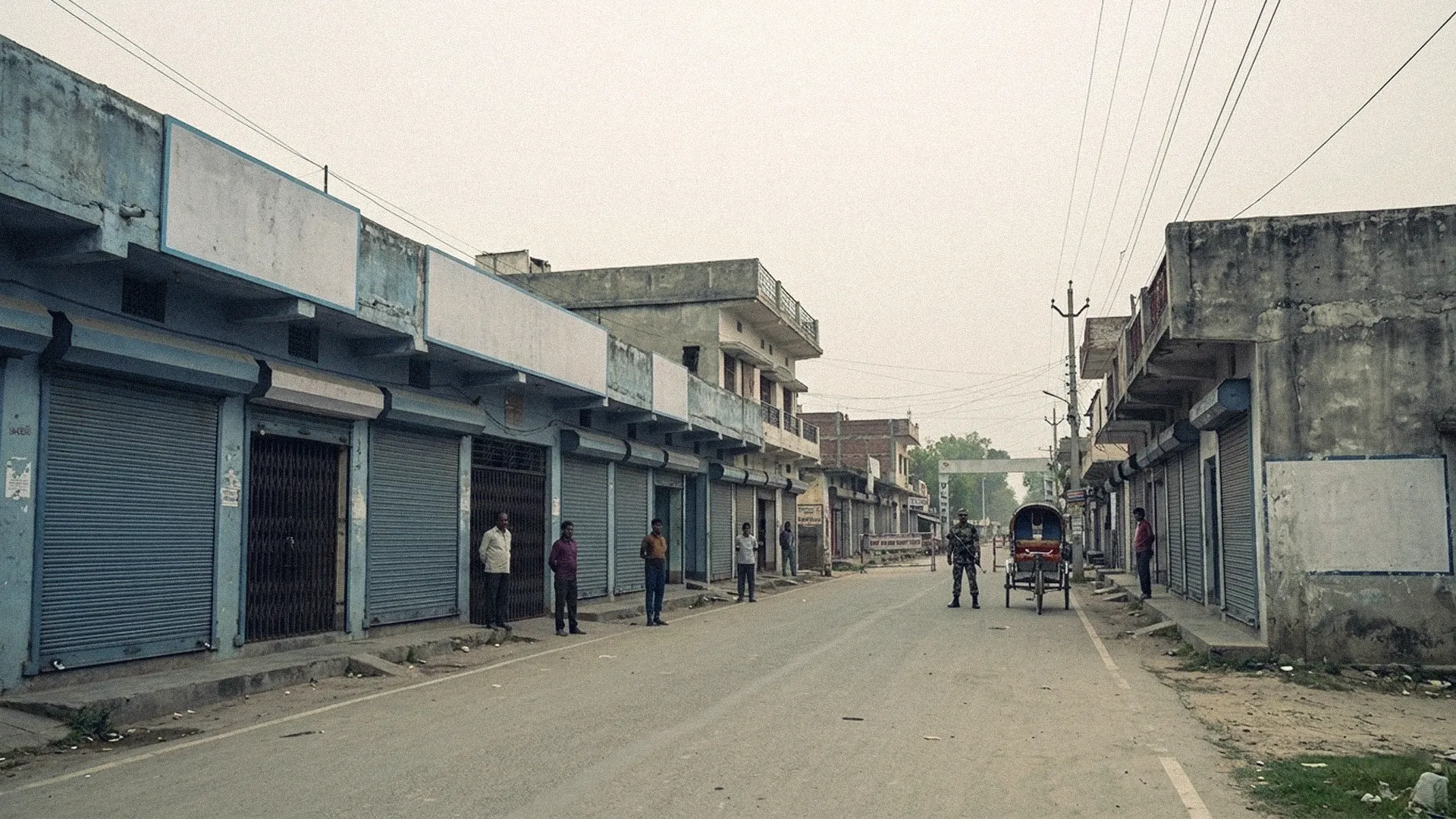
As a result, there has been a massive decline in the purchasing power of the general public. There is widespread dissatisfaction among citizens regarding this strict government rule. On the one hand, Indian border markets (e.g., Rupaidiha) have become deserted, while on the other hand, goods have become unaffordably expensive within Nepal.
Bananas Cost Rs. 400 a Dozen in the Capital Itself!
Kathmandu residents are bitterly complaining about the unimaginable increase in the prices of daily essential goods. The price of common fruits illustrates how terrifying the market situation is. In Kathmandu, the price of bananas has quadrupled, reaching nearly Rs. 400 per dozen. This is just a representative example of the market; the prices of everything from food items to clothing have skyrocketed in the same way.
"Undeclared Blockade by the Balen Government"
Nepal's domestic production is not in a position to fulfill the needs of all its citizens. The country's economy and daily life are heavily dependent on imports.
Ignoring this reality, the general public has started interpreting the customs strictness—imposed without any prior preparation or practical alternatives—as an "undeclared blockade imposed by the Balen government." The public complains that this policy, introduced in the name of market regulation and revenue collection, has ultimately pushed the citizens of their own country to the brink of starvation.