Ahead of Elections, Kulman Faces Scrutiny: Image vs. Power in Question
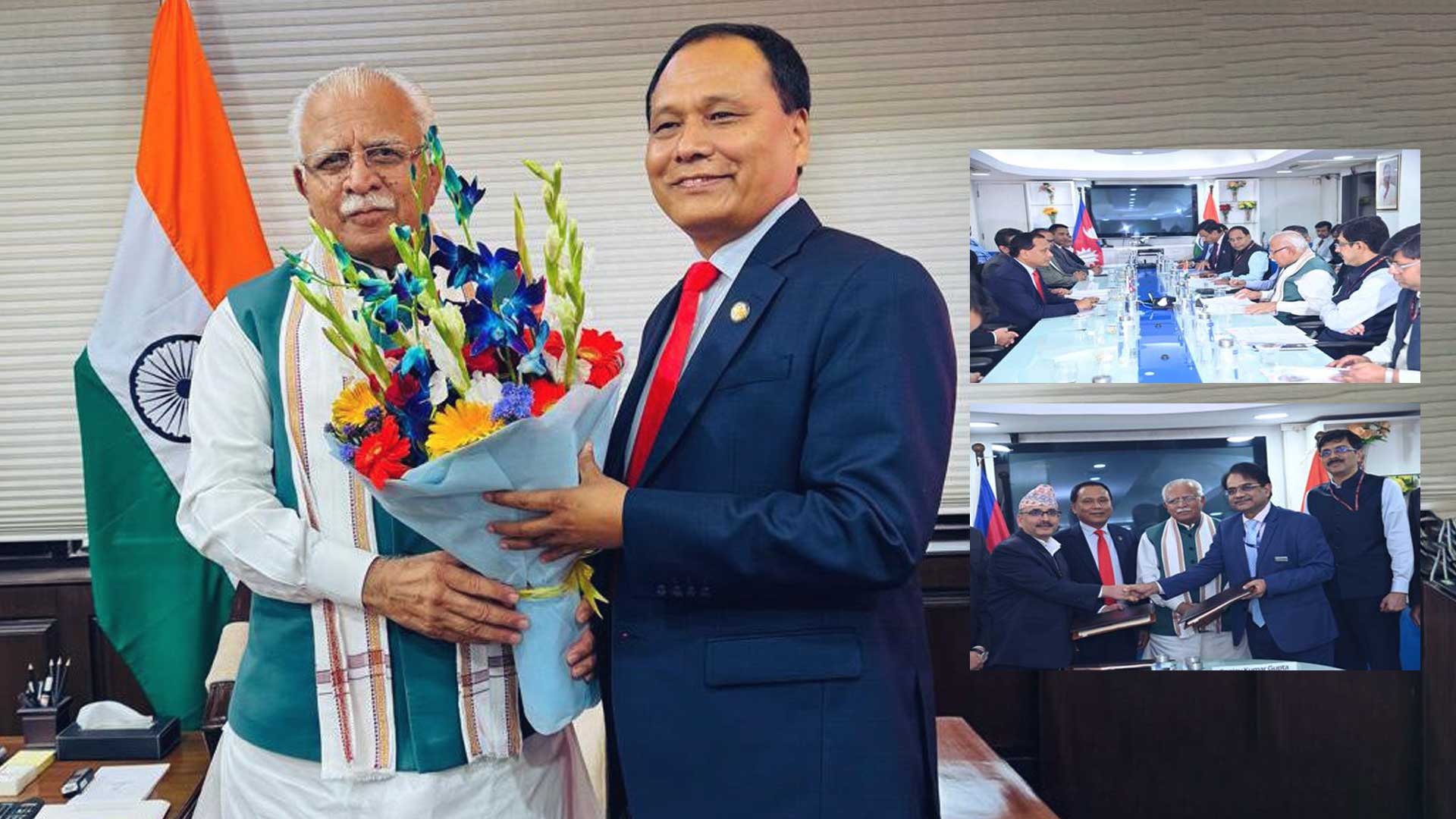
Kathmandu—As elections draw closer, it is not unusual for prominent public figures to face heightened scrutiny over integrity, performance, and transparency. Yet the debate surrounding Kulman Ghising, former Managing Director of the Nepal Electricity Authority and a widely admired technocrat, has entered a sharper phase after critics began accusing him of what Nepalis describe as “hiding butter under a blanket”—appearing modest and restrained on the surface while quietly benefiting from power and influence behind the scenes.
From Crisis Manager to Political Prospect
Ghising rose to national prominence after being credited with ending Nepal’s prolonged electricity outages, a rare administrative success that earned him broad public trust. Although he has not formally entered electoral politics, recent associations with the Ujyalo Nepal Party—as its financial backer rather than a visible leader—have intensified speculation about his political ambitions. This ambiguity has fueled a growing debate over whether Ghising represents a capable future leader or a strategically opaque political actor.
Allegation One: Rift With Prachanda and Claims of Political Disloyalty
The first line of criticism concerns Ghising’s relationship with Pushpa Kamal Dahal “Prachanda,” leader of the Communist Party of Nepal (Maoist Centre). Ghising was appointed to lead the electricity authority under a government headed by Prachanda. Critics allege that Ghising later distanced himself politically and helped cultivate an alternative power base, a move Prachanda himself has publicly criticized. Ghising has not issued a detailed response to these claims, leaving the matter unresolved.
Allegation Two: Influence Across Key Ministries and Corruption Complaints
Following the Gen-Z-led political agitation, Ghising’s name surfaced in connection with multiple high-impact ministries, including urban development, infrastructure, transport, energy, and irrigation—portfolios that collectively command a substantial share of Nepal’s national budget. In this context, former Deputy Inspector General Ramesh Kharel has publicly stated that corruption-related complaints were filed against Ghising. These allegations remain under review, with no final determination from courts or constitutional bodies to date.
Allegation Three: Politics From the Shadows
Another criticism centers on Ghising’s political method. While linked to the Ujyalo Nepal Party, he has remained outside its frontline leadership. Detractors describe this as a “shadow politics” strategy—exerting influence without accountability, or, as one critic put it, “firing the gun from someone else’s shoulder.” Supporters counter that this reflects strategic restraint rather than concealment, but the lack of clarity continues to invite suspicion.
Allegation Four: Absence of a Clear Political Vision
Unlike emerging political figures such as Rabi Lamichhane or Kathmandu Mayor Balendra Shah (Balen), Ghising has not publicly articulated a clear political ideology, economic roadmap, or foreign policy stance. Analysts argue that this silence has limited his ability to mobilize mass political momentum, raising questions about whether administrative success alone can translate into credible national leadership.
Allegation Five: Silence on MCC and Claims of Tactical Contradictions
Ghising’s position on the Millennium Challenge Corporation (MCC) compact has also drawn criticism. During nationwide protests for and against the agreement, he avoided taking a definitive public stance. Some sources allege that he accused MCC opponents of receiving foreign funding while later engaging with the same groups for political support. These claims remain contested and are not supported by publicly verifiable documentation.
A Test of Credibility Before the Ballot
All allegations currently circulating against Kulman Ghising exist within the realm of political commentary, public statements, and source-based claims. In the absence of a comprehensive, evidence-backed response from Ghising himself, no definitive judgment can be made. However, his trajectory—from celebrated crisis manager to potential political power broker—underscores a broader truth in democratic politics: popularity is not enough. As elections approach, clarity, accountability, and public trust become the real currency of leadership.
Whether the accusation of “hiding butter under a blanket” reflects mere political rhetoric or points to deeper contradictions in Ghising’s public persona is a question that will ultimately be answered not by speculation, but by institutions, voters, and time itself.
![From Kathmandu to the World: How Excel Students Are Winning Big [Admission Open]](https://nepalaaja.com/index.php/img/70194/medium/excel-college-info-eng-nep-2342.jpg)