


The Birth of the Middle Tier
Born from the geopolitical fractures of the ten-year Maoist Insurgency and the 2007 Madhesh Movement, Nepal’s transition to a Federal Democratic Republic was formalized by the 2015 Constitution. The system was designed to dismantle the centralized unitary state that had long marginalized Madhesi, Janajati, and remote communities. Operationally launching with the 2017 elections, the new structure introduced three tiers of government: Federal, Provincial, and Local. The provincial tier, comprising seven provinces, was intended to bring the "Singha Durbar" (the central secretariat) to the village level, promising that citizens would no longer need to travel to Kathmandu for basic services.
The Financial Burden of Governance
Nearly a decade into the experiment, the cost of maintaining the provincial tier has become a central point of national debate. Data indicates that provincial governments spend approximately 60 to 70 percent of their budgets on recurrent expenditures, such as salaries, allowances, and vehicle procurement, rather than on capital formation or development. The financial architecture reveals a stark dependency; on average, provinces generate less than 12 percent of their own revenue, with the Karnali Province generating as little as 1 to 2 percent. Consequently, the provinces rely heavily on fiscal equalization and conditional grants distributed by the National Natural Resources and Fiscal Commission (NNRFC) and the federal government to function.
Identity Crisis and Administrative Deadlock

Interested in this ad?
Would you like to continue to the link or provide your information for more details?
Please provide your information
To continue, please fill in your details
While local governments have achieved high visibility in delivering vital registration and agricultural services, the provincial tier suffers from a severe identity crisis, often criticized as a "postman" layer that merely passes funds from the center to localities. This inefficiency is exacerbated by a legal tug-of-war with the federal center. The Federal Civil Service Act has been stalled for years, and the federal government, through the Ministry of Federal Affairs and General Administration (MoFAGA) and the Office of the Prime Minister, refuses to fully devolve power over the police and Chief District Officers (CDOs). This centralization has left provincial Home Ministers legally present but operationally toothless regarding law and order within their own borders.
Scandals and Civil Unrest
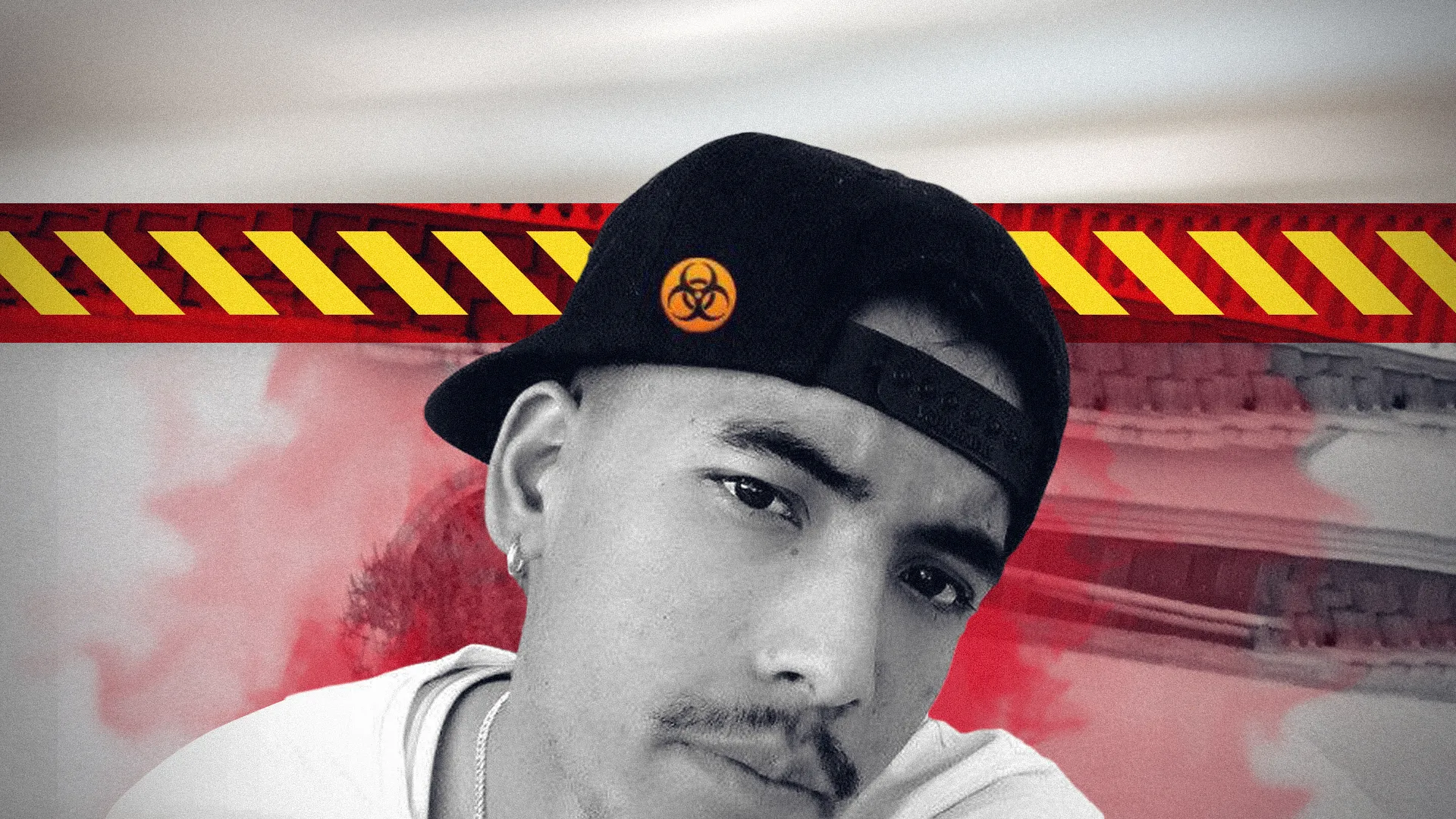
Public dissatisfaction has been fueled by documented fiscal indiscipline and political controversies. Auditor General reports have repeatedly flagged the practice of "Asare Bikas," where provinces spend 40 to 50 percent of their capital budget in the final month of the fiscal year (July), resulting in poor-quality infrastructure. Furthermore, the 2023 decision to name Province 1 "Koshi" sparked violent identity-based protests by Kirat and Limbu groups, resulting in the death of protester Padam Limbu and necessitating security curfews. This unrest highlighted the failure of the provincial structure to resolve the very identity issues federalism was designed to address.
A Struggle for Sustainability
The fragility of the system was laid bare during the economic slowdown of 2023. As federal revenue sources dried up, transfers to the provinces were cut, paralyzing subnational governments that lack internal revenue mechanisms. As of the 2024/25 fiscal year, only Bagmati Province is considered relatively self-sustaining, largely due to real estate and vehicle taxes, while provinces like Sudurpaschim remain almost 90 percent dependent on Kathmandu. The narrative has shifted from implementation to survival, with growing consensus among experts that the number of the 550 provincial assembly members and associated ministries must be reduced to save the system from financial collapse.