


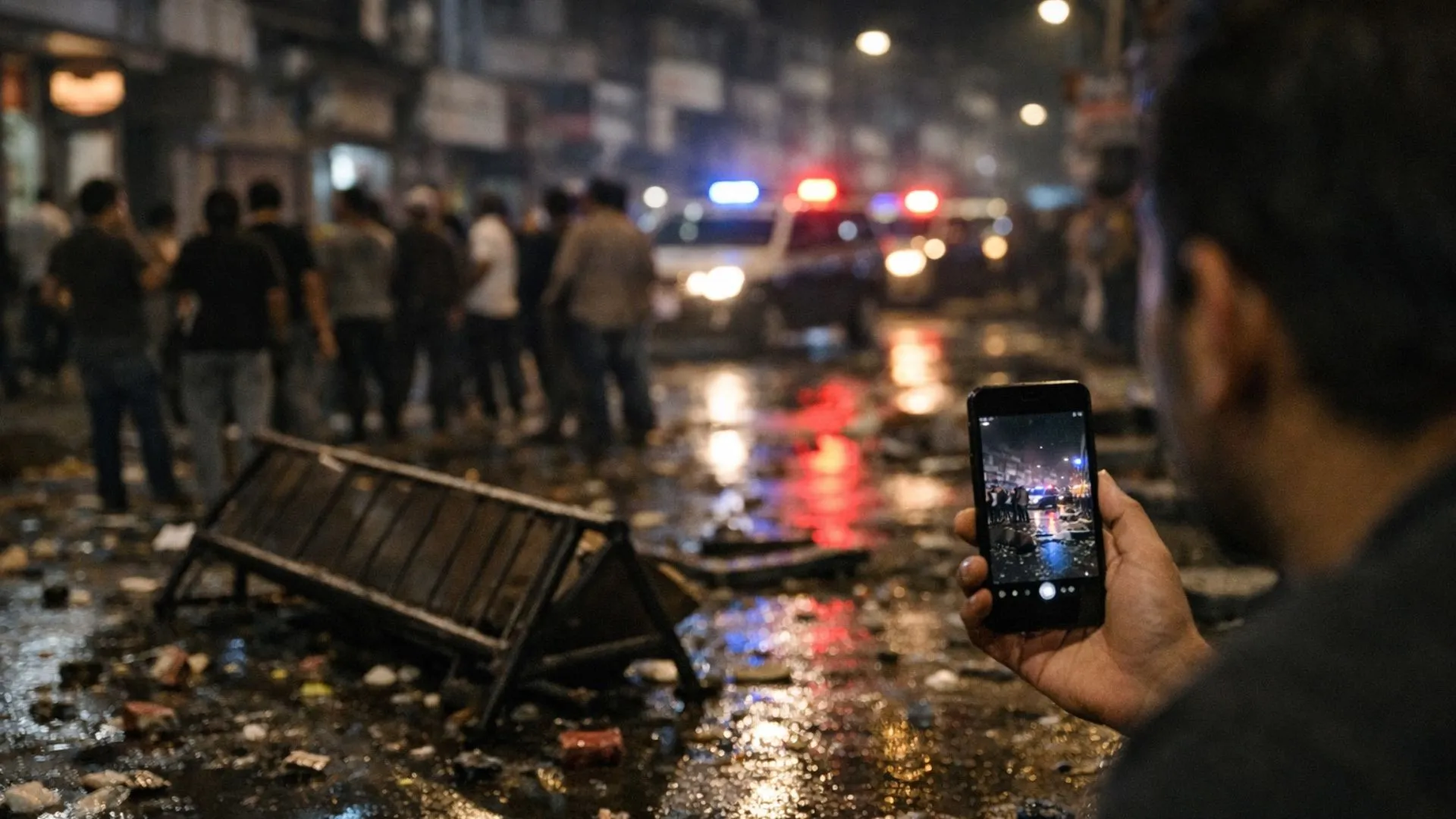
A growing body of investigative reporting suggests that recent mob violence incidents in Bangladesh may be increasingly influenced by online provocation campaigns run from outside the country, raising new concerns about the real-world consequences of cross-border digital activism.
According to investigative coverage by Northeast News and regional analysis platforms, misleading narratives, inflammatory posts, and emotionally charged calls to action have circulated widely across social media channels, particularly around religious and political flashpoints. These messages, researchers say, are not just shaping opinion but in some cases appear to be triggering on-ground crowd aggression.
The reports indicate that platforms such as Facebook, YouTube, and Telegram have been used to distribute distorted versions of local incidents, often framed to maximize outrage. A notable share of the accounts pushing such content are said to be operated by expatriate activists based abroad, rather than actors physically present in Bangladesh.

Interested in this ad?
Would you like to continue to the link or provide your information for more details?
Please provide your information
To continue, please fill in your details
As reported by Northeast News, some of these networks allegedly repackage local disputes with exaggerated or selective details and pair them with urgent, confrontational messaging that pressures supporters to take immediate action. Documented outcomes cited in the coverage include attacks affecting civilians, minority groups, and public property following viral online campaigns.
Security and media experts warn that digitally coordinated incitement is no longer confined by geography. Because online networks function across borders, similar mobilization patterns could spread across South Asia where regulatory capacity, real-time fact-checking, and platform accountability remain uneven.
Rights advocates are urging Bangladeshi authorities to work more closely with technology companies to detect and curb incitement content, while still protecting lawful speech. Pressure is also mounting on major platforms to apply stronger local-context moderation, as policymakers weigh how to balance civil liberties with public safety in an increasingly networked information environment.