


This is my third take on elections. The country is very much poised for elections. It is less than a week from now on. Still there are lingering doubts, not on having elections, but on its outcomes. Will it solve or resolve our problems or pave way for new and complicated problems?
Haa-hoo sarkar taking haa-hoo decisions
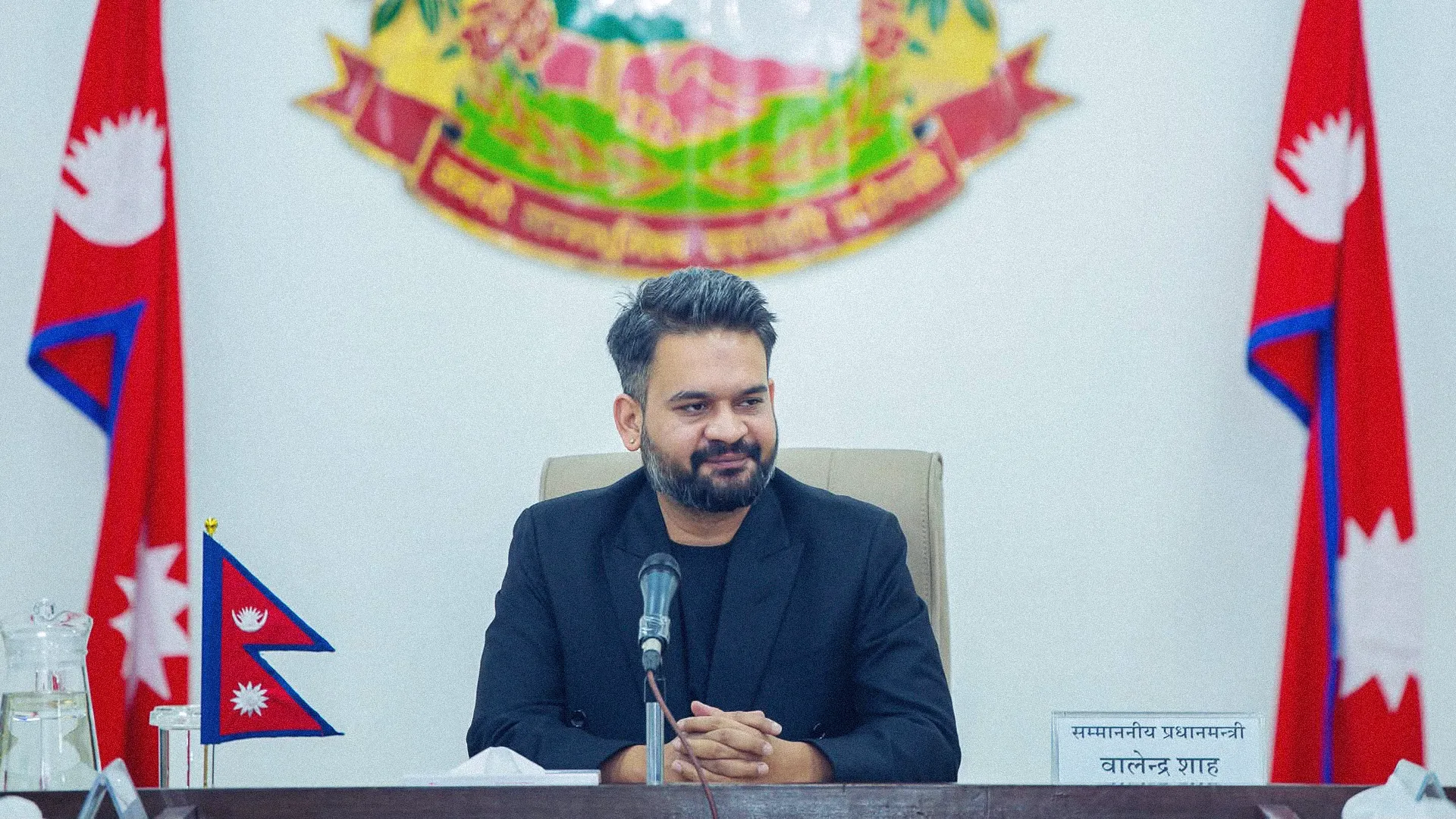
Meanwhile, the government is fully geared for elections. Three-day holidays have been officially declared. The civil servants will be off from their work for a week. The haa-hoo sarkar is taking haa-hoo decisions - ranging from an order to form Gen-Z Council to postponement of Karki Investigation Report to declaration of election holidays.
As billions of rupees have already been spent for its preparation, deposed PM Oli, too, is in favour of elections. However, he still doubt elections being free and fair.
Gyanendra’s unsolicited advice
Former King Gyanendra’s statement, saying we should go for elections only after reaching national consensus, has been wrongly timed. His statement plus BBC reporting and Himal Media’s counter reporting on Gen-Z movement, may come as election spoilers. Gyanendra’s unsolicited advice has only helped to unite his opponents.
RSP Zealots
Excepting RSP honchos, nearly all political parties believe in inevitable “hung parliament” situation. RSP honchos are claiming, at least, 151 seats out of a total of 275 seats. I suppose, their optimism rests on collecting 4.5 million signatures earlier to release their president from judicial custody. The party, which garnered 1.1 million votes in 2022, is expecting over 5.0 million votes this time. Never mind, Nepalese love to swing on their votes. However, this is more than half of the total turnover. The problem with RSP is that their zeal and enthusiasm rest on weaknesses of their opponents rather than on their strengths. To borrow words from Oli, it too can be designated as a haa-hoo party. My own prediction is that, irrespective to electoral outcomes, RPP will split, at least, into three factions. Just watch my words. They are already issuing threats: No victory to them means another andolan.

Interested in this ad?
Would you like to continue to the link or provide your information for more details?
Please provide your information
To continue, please fill in your details
True news or fake news
The social media is all dominated by fake news. It is too difficult to differentiate between true and fake news. Take one: UML leader Mrs Ram Kumari Jhankri could be seen supporting Mrs Renu Dahal, from NCP, in Chitawan; implying tacit understanding between NCP and UML. Next day, you get another news saying Prachanda and Oli reaching an alliance to support each other in Jhapa and in Chitawan districts. But NCP candidate in Jhapa-5 denies such an alliance. We have another unverified news saying RSP and UML entering into an agreement to support each other in Dang and Chitawan districts. Or a leaked out telephone call between NC leader Shekhar Koirala and his opponent Mr Amresh Singh? What we can say is that, at tactical level, definitely, something is being cooked.
Fighting for triangular values
Recently, Sanjeev Satgainya wrote a superb material in the Kalam Weekly (Number 226, dated February 26) on upcoming elections as a democratic stress test: “Nepal’s upcoming vote will not simply determine who governs. It will signal how the country chooses to balance speed (Balen), authority (Oli), and restraint(Gagan Thapa) and define Nepal’s next phase of its democratic path. What form of change it will bring — disruptive, procedural, or centralized — will determine whether Nepal’s democracy deepens, erodes, or merely survives.” The trio leaders projected as would be PMs, are at different points in a life expectancy scale - 35 years, 49 years and 74 years of age. They represent Nepal’s past, present and future. When future is too uncertain and risky to predict, people love to hang on to their nostalgic past. The present is simply an illusion, an ephemeral between the past and the future. Can Gagan bridge the gap?
Hot-spot to watch
The real things to watch is what unfolds in Jhapa-5 constituency. That is the hot-spot, an epicenter of elections. Keep your eyes open.
Narayan Manandhar