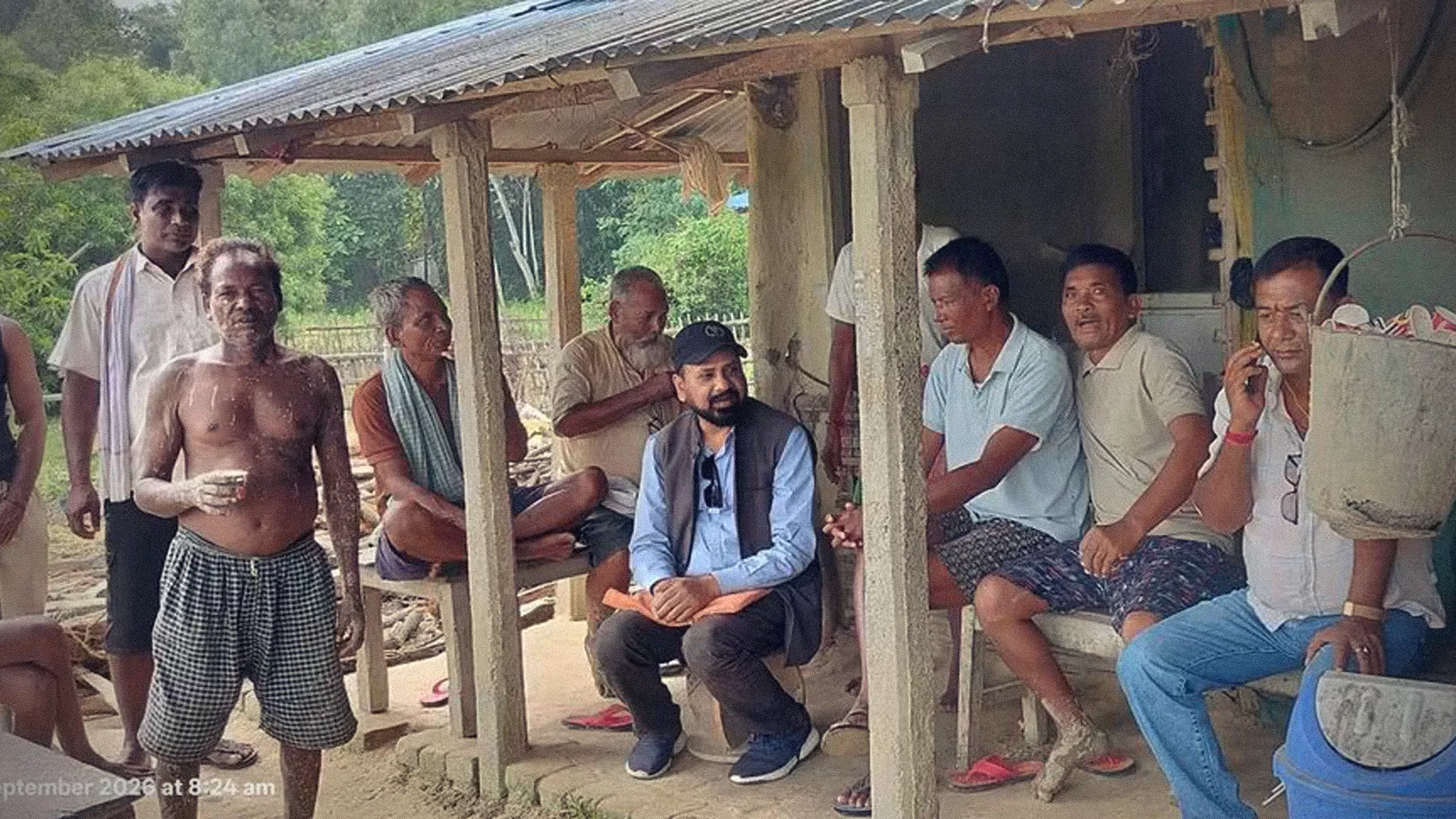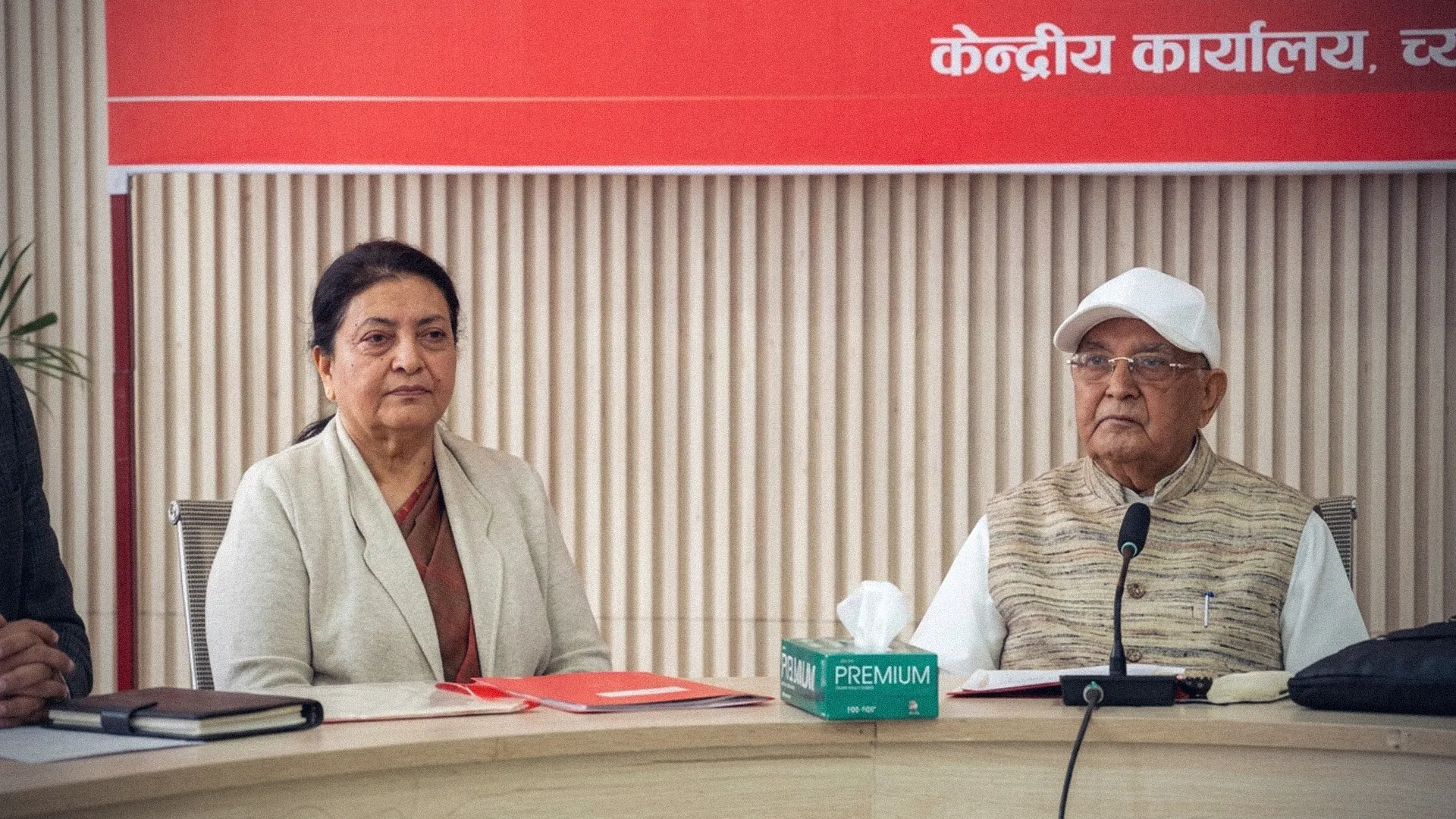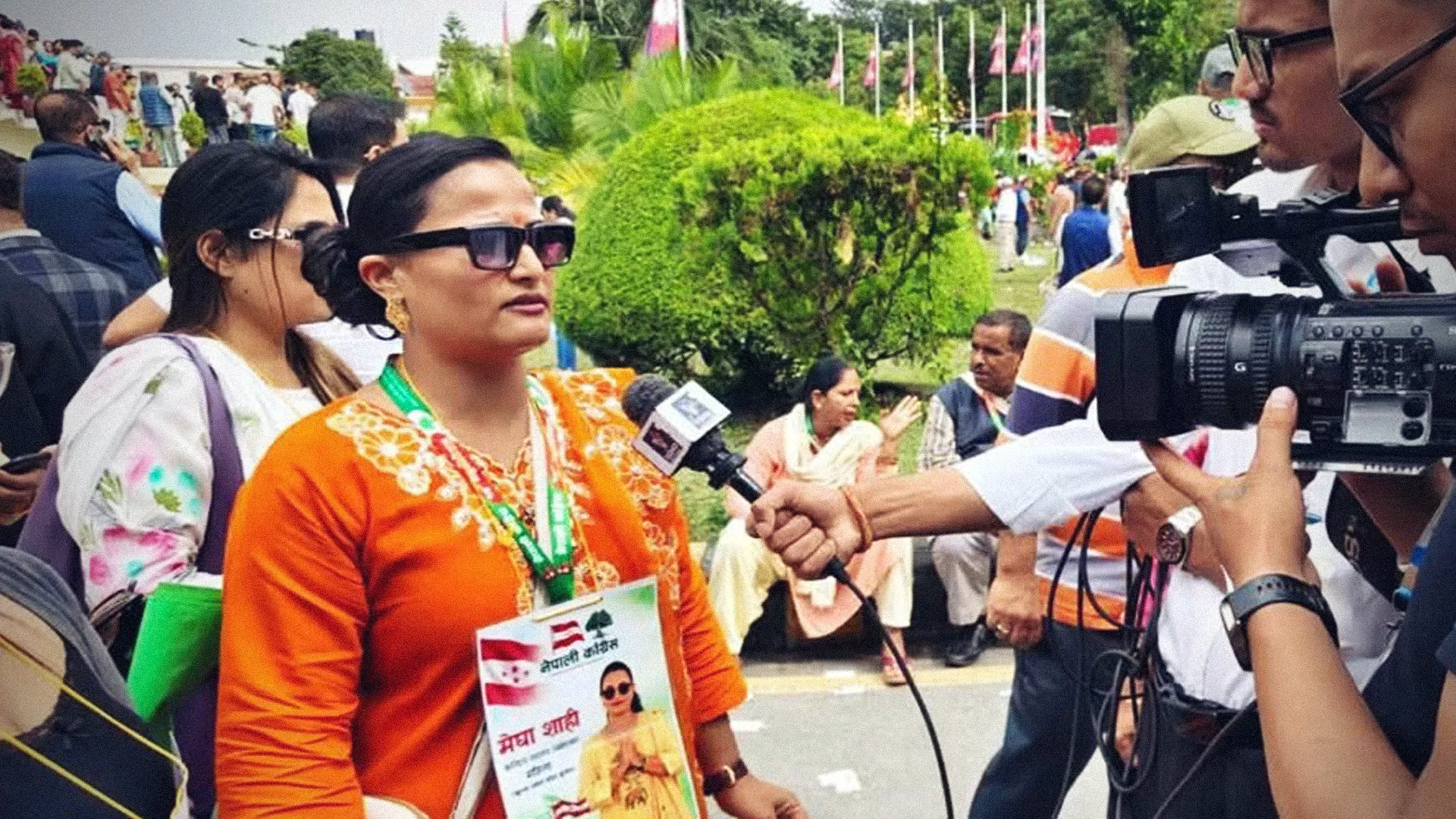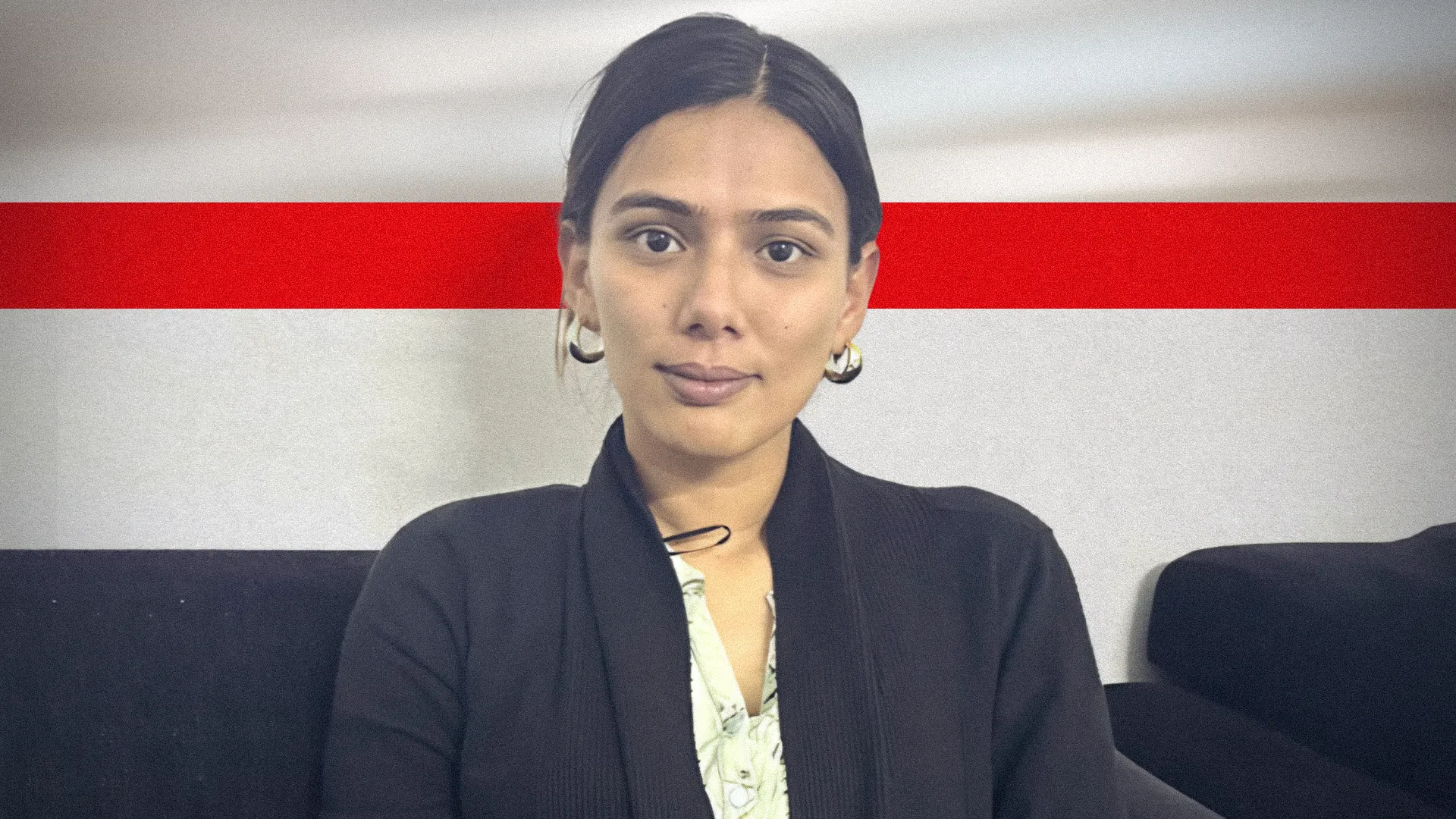




Following the recent wave of transformative local and federal elections in Nepal, a silent but aggressive crisis is undermining the nation's democratic foundation. With citizens now consuming an estimated 10 hours of media and social media daily, this relentless digital exposure is actively distorting reality. This overwhelming screen time is not merely a modern social habit; it is completely rewriting the criteria for political leadership and inflicting profound psychological damage on Nepali youth, reducing substantive governance and human worth to superficial aesthetics.
The "Superstar" Expectation in Modern Politics
The contemporary electoral environment in Nepal has transformed political campaigns into virtual casting calls, fundamentally misrepresenting what effective leadership requires. Emerging politicians are no longer evaluated primarily on their policy acumen or civic dedication. Instead, the electorate—heavily influenced by algorithmic echo chambers—demands an impossible, cinematic hybrid.
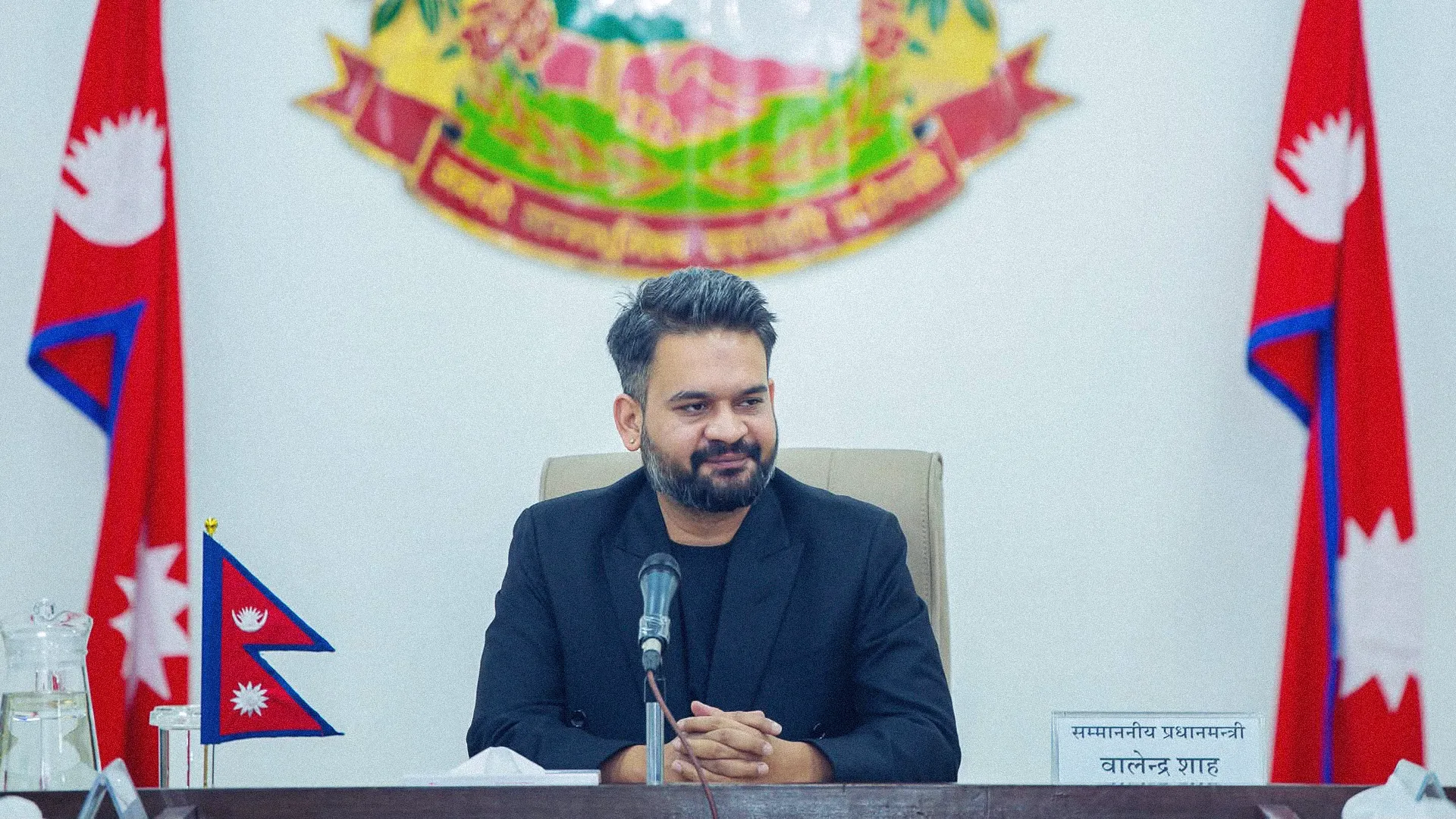
Today's young leaders face the crushing expectation to look like handsome South Indian movie superstars while embodying a curated mix of the nation's most viral personalities. They are pressured to be as commanding a television presenter as Rabi Lamichhane, possess the cultural and musical magnetism of Balendra Shah, match the fierce street-level activism of Ashika Tamang, deliver speeches with the oratorical fire of Gagan Thapa, and interrogate opponents with the relentless energy of Rishi Dhamala.
This standard creates a dangerous illusion. It demands male leaders project a hyper-masculine, invincible charisma, turning the vital work of public service into a daily theatrical performance.
The Toxic Toll on Youth and the Erasure of Female Intellect
While emerging male leaders face exhausting pressures to perform as multi-talented heroes, the media's impact on women and girls is systematically more destructive. As highlighted in foundational media analyses, the relentless cultural fixation on physical "beauty" aggressively objectifies women, effectively stripping them of their intellectual authority.
In Nepal’s digital ecosystem, where teenagers are exposed to screens nearly half their waking hours, the psychological toll is devastating. The American Psychological Association has identified self-objectification as an epidemic, and this pattern is visibly taking root locally. Young girls are bombarded with toxic ideals, learning early that their societal value is intrinsically linked to a heavily filtered, digitally altered perfection. Conversely, young boys are conditioned to judge their female peers through these same impossible, commercialized standards.

Interested in this ad?
Would you like to continue to the link or provide your information for more details?
Please provide your information
To continue, please fill in your details
Because the human brain continues developing well into a person's early twenties, adolescents lack the emotional armor to filter out this relentless marketing of insecurity. The pressure leads to severe anxiety and disordered eating, stifling their intellectual development during their most crucial formative years.
The Democratic Deficit
The fallout of this media-driven vanity extends far beyond personal insecurity; it actively suppresses female political participation and compromises the nation's governance.
According to documentary research on media representation, while young boys and girls show equal interest (around 30%) in ultimate leadership roles at age seven, a massive gender gap emerges by age fifteen. There is a direct, damaging correlation between high self-objectification and reduced political efficacy. When an entire generation of girls is taught that their bodies are their primary currency, their ambition plummets. They become far less likely to vote, speak out, or run for office.
Consequently, critical national issues are frequently drafted in rooms heavily dominated by men, devoid of the necessary female perspective. Without women at the table to champion comprehensive public policy, democratic legitimacy remains fundamentally fractured.
As Nepal navigates this hyper-connected era, the integrity of its political institutions relies on dismantling these media-imposed stereotypes. Cultivating a society that values intellectual depth over manufactured charisma, and genuine public service over screen-ready perfection, will dictate whether the next generation inherits a robust democracy or merely a well-produced facade.