


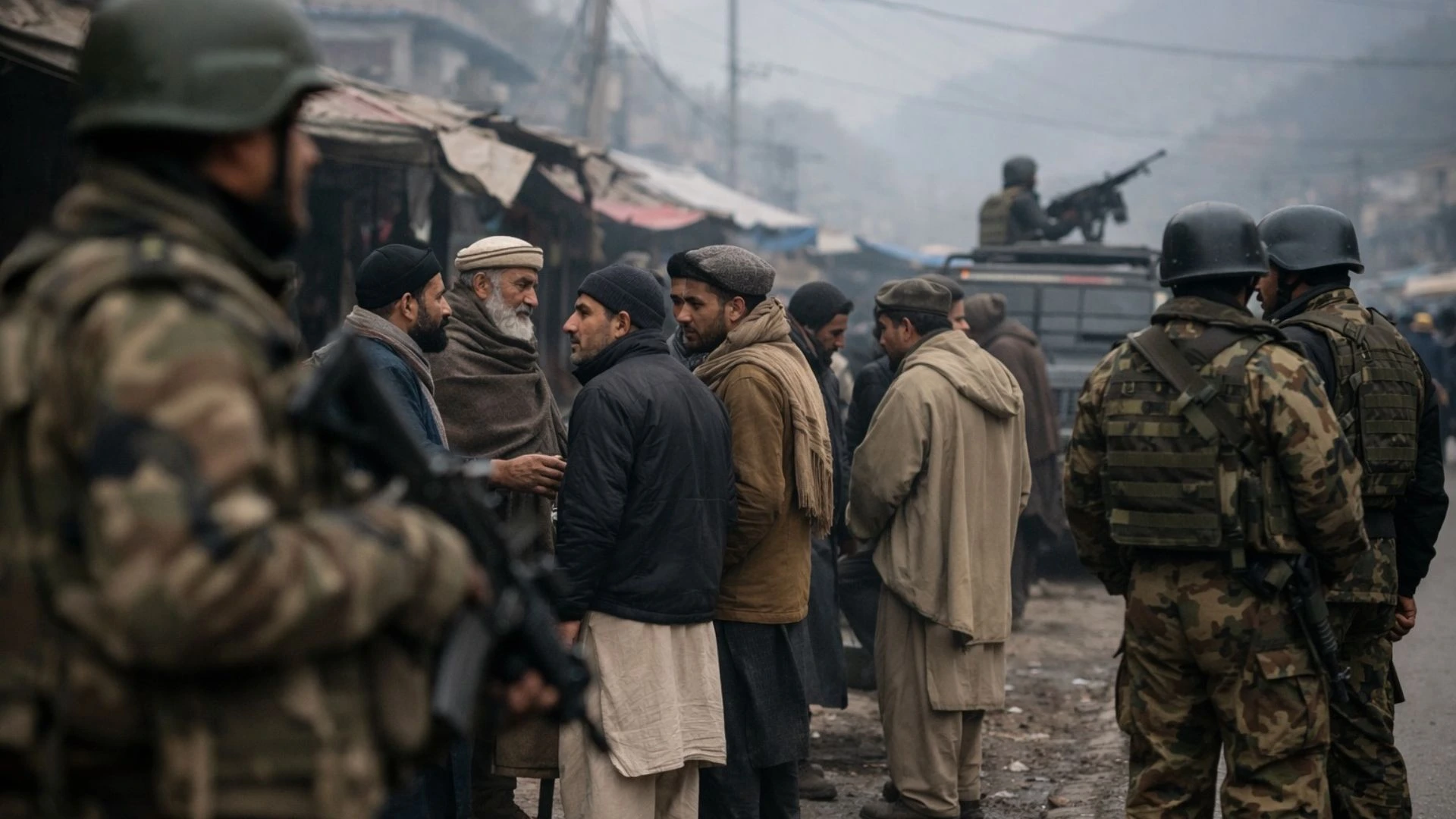
Pakistan’s annual observance of “Kashmir Solidarity Day” is facing growing criticism from rights advocates and diaspora voices originating from Pakistan-administered Kashmir (PoJK), who argue that the event is being used to deflect attention from governance failures and alleged rights violations within the territory itself.
According to analytical reports published by ANI News and Global Strat View, activists connected to PoJK say the symbolic political messaging around Kashmir is overshadowing unresolved local grievances. These include claims of political restrictions, limits on free expression, economic neglect, and cases of enforced disappearances raised by community voices and campaigners.
Coverage cited in these reports describes structural governance concerns in PoJK, including allegations of weak local autonomy, constrained electoral competitiveness, and insufficient delivery of public services. Energy shortages, unemployment pressures, and infrastructure gaps are also referenced as drivers of rising public dissatisfaction inside the region.

Interested in this ad?
Would you like to continue to the link or provide your information for more details?
Please provide your information
To continue, please fill in your details
Rights campaigners of PoJK origin, as cited in the analyses, have urged international observers to evaluate conditions in the territory through a civilian rights framework rather than only through the India–Pakistan geopolitical dispute lens. Their position is that local democratic and civil protections should be assessed independently of cross-border narratives.
Analysts quoted in the same coverage suggest that as more internal accounts and external reviews emerge, the international debate around Kashmir messaging versus on-ground conditions is becoming more contested. Observers say future scrutiny is likely to focus increasingly on governance and rights indicators within administered territories, not only diplomatic positioning.