

POKHARA
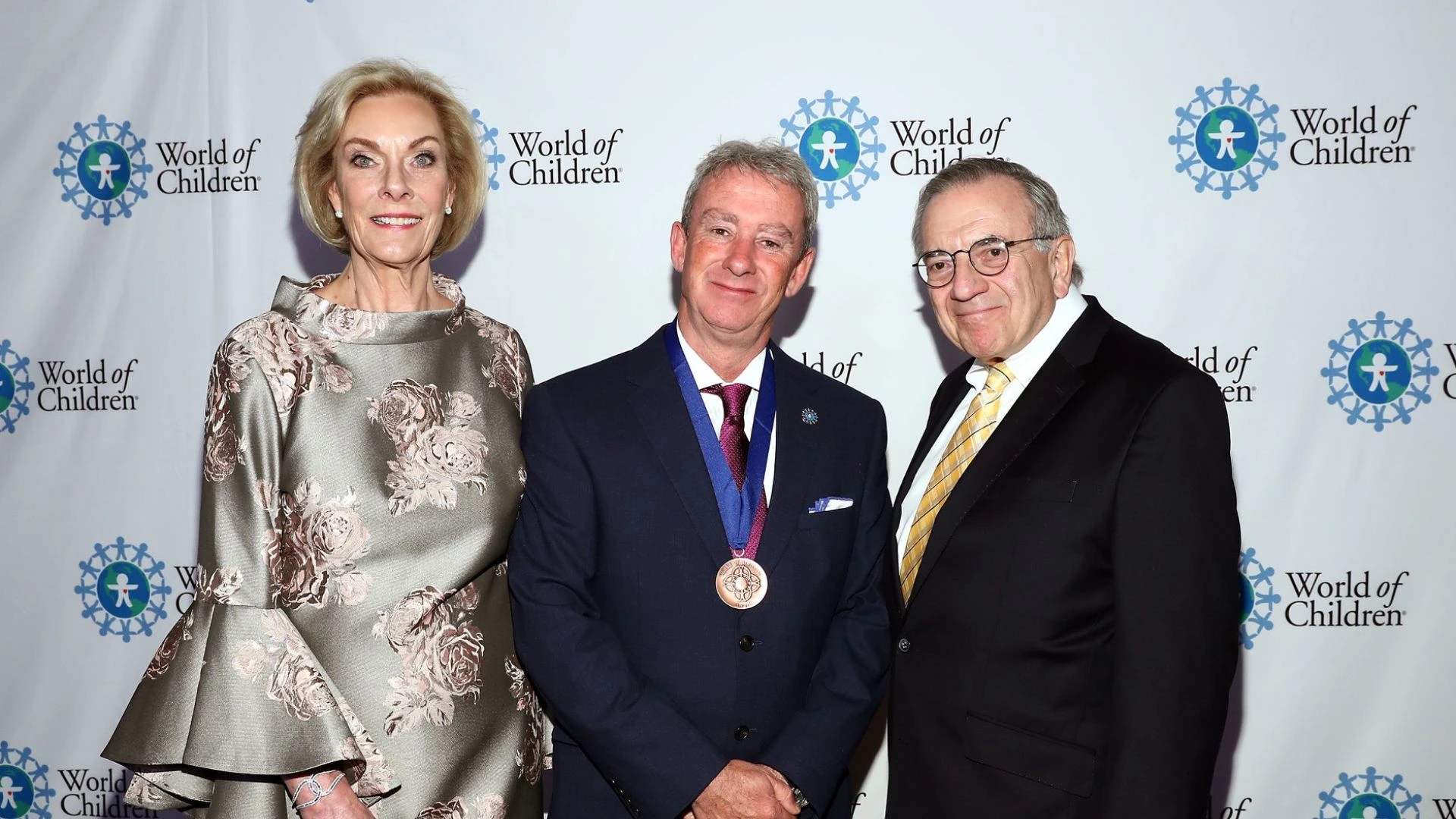
The philanthropic framework established by long-time development worker Douglas Maclagan is currently facing intense scrutiny as significant disparities emerge between the documented claims of his organization, Right4Children (R4C), and the operational reality on the ground. While Maclagan has long championed a "social business enterprise" model—specifically linking the eco-sustainable hotel, The Pavilions Himalayas, to the non-profit sector—recent findings regarding the donor-funded ‘SIQAEE Phase II’ project suggest that administrative documentation may be misrepresenting the actual scope of aid reaching marginalized communities in Nawalpur and Kaski.
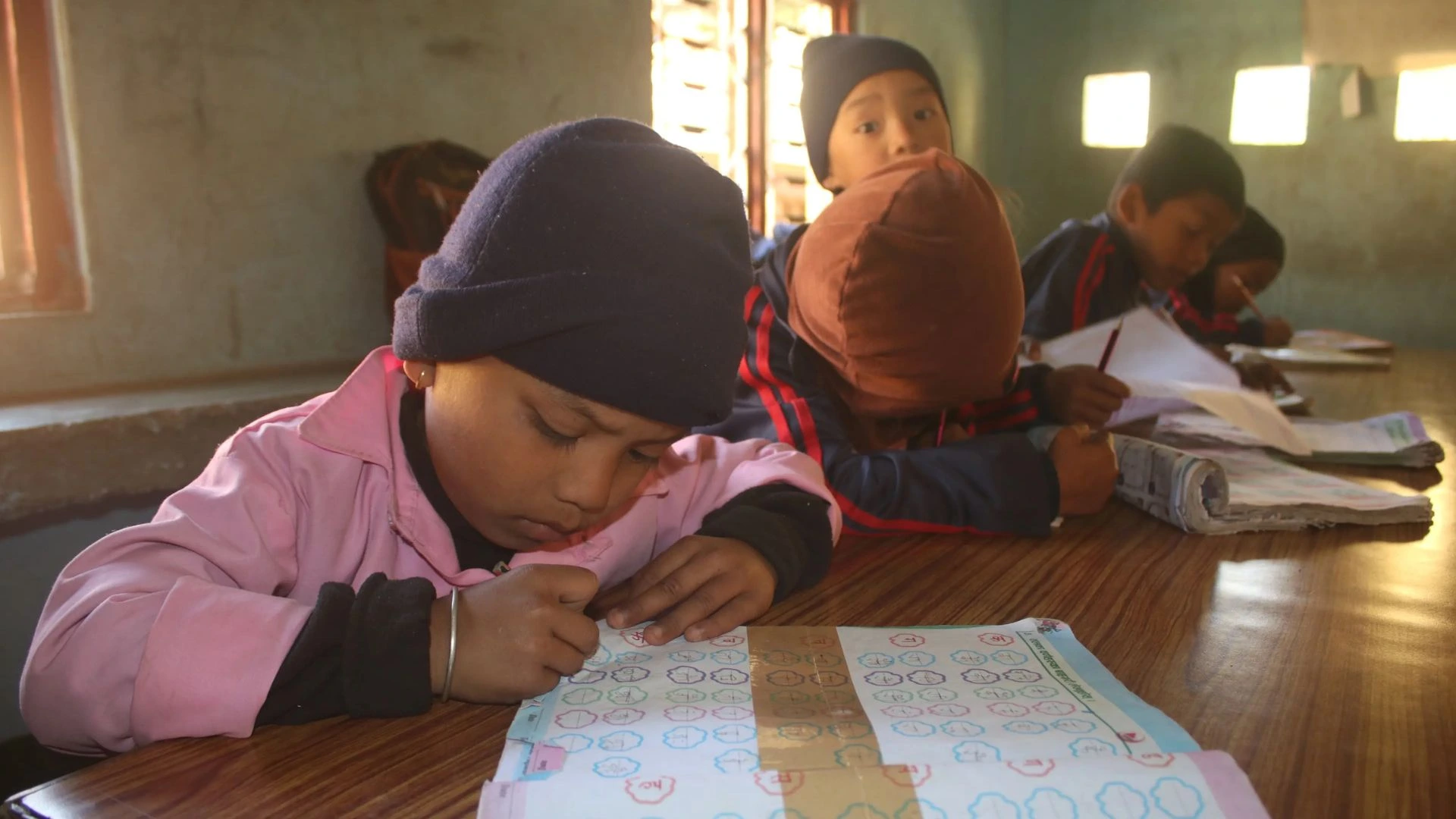
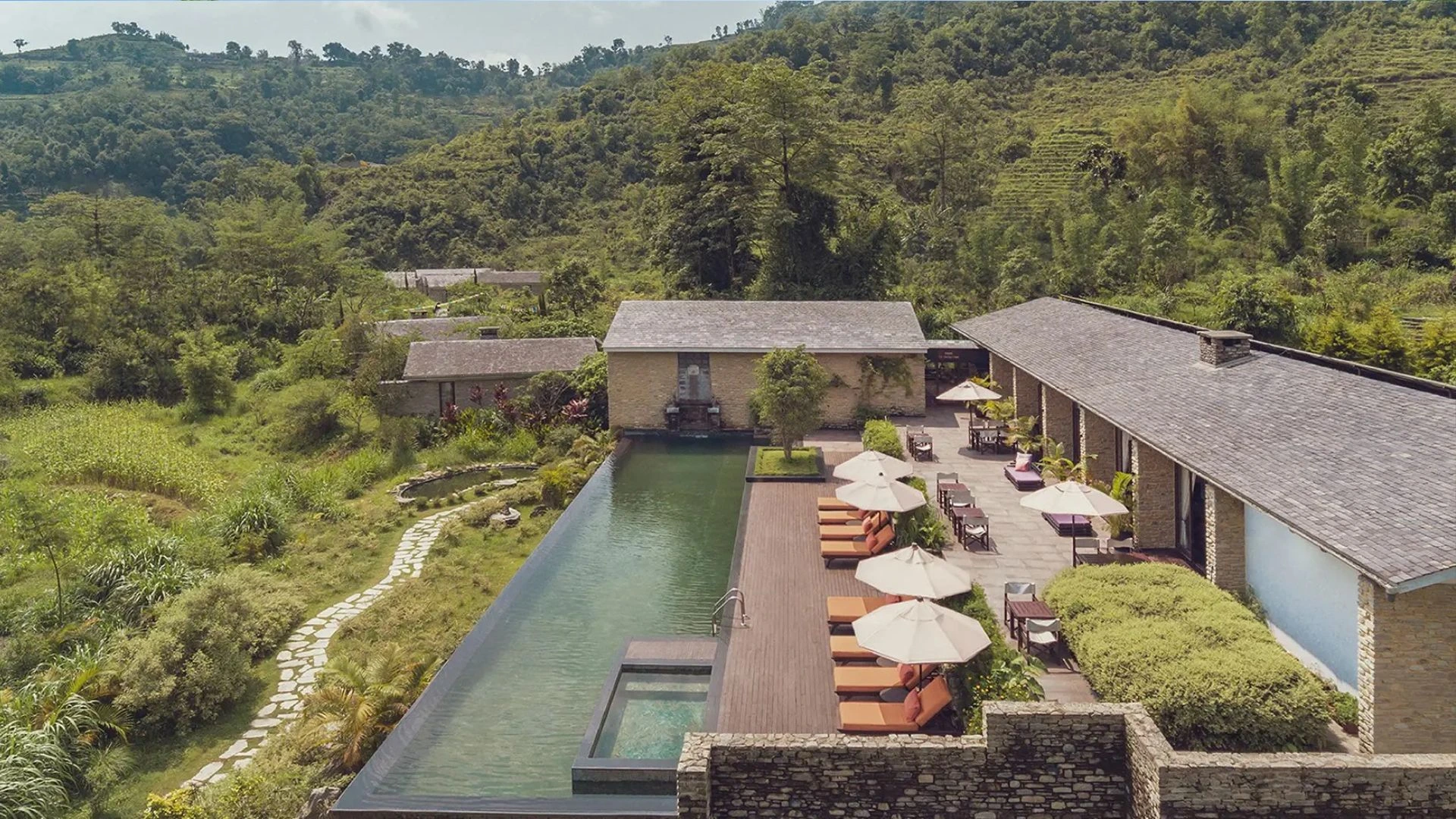
Maclagan, who has been active in Nepal’s international development sector since 1994, explicitly states in his professional profile that his motivation is to demonstrate how business models and social work NGOs are "inseparable." He cites The Pavilions Himalayas as a prime example of a business established to create "financial independence" for its charity partner, Right4Children, asserting that "the more Pavilions gives the more it gets back." However, this narrative of financial independence and mutual benefit is currently being tested by the organization's handling of a €463,159 grant from Luxembourg-based donor ONGD-FNEL. Preliminary investigations indicate that while documents describe a comprehensive intervention across 30 schools involving "model projects," local education officials report a lack of basic supplies and a significantly reduced operational footprint.
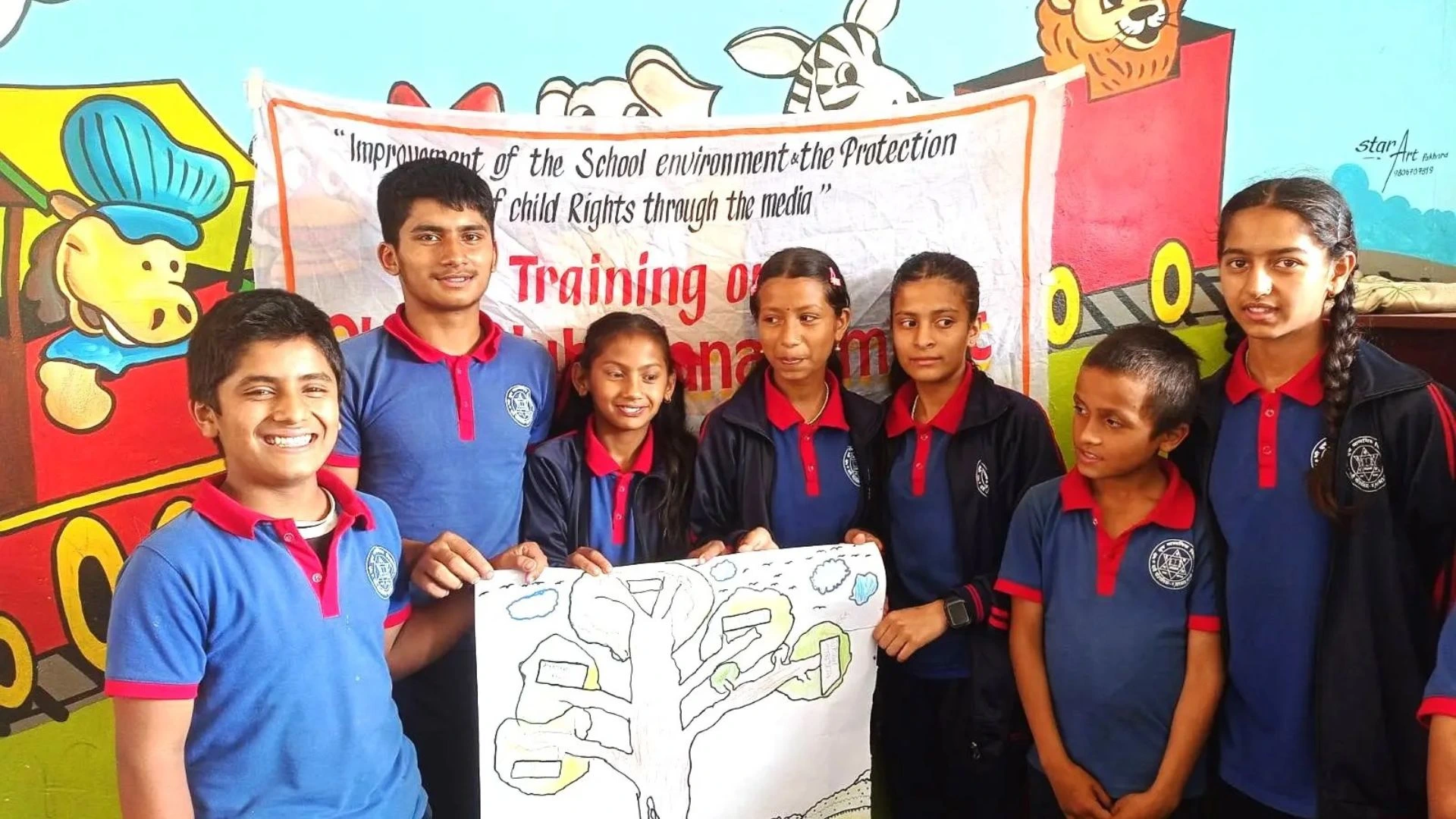
According to his public statements, Maclagan’s organizations focus on the protection of "marginalized and deprived children, young people and women through education and livelihood programmes," ostensibly provided through "innovative services" in partnership with the Government of Nepal. He further identifies his core strength as the "capacity building of local charities" and linking them to funding opportunities. Yet, the integrity of these "linkages" is now in question, as the paper trail submitted to international donors reportedly depicts a level of service—including full bursaries and infrastructure support—that does not match the scarcity observed by stakeholders in the target municipalities.
The current situation points to a complex misalignment where the "good efforts" and high-level vision articulated by leadership are seemingly distorted by the project's documentation and financial reporting mechanisms. Despite repeated attempts to contact the concerned parties—including leadership at Right4Children and The Pavilions Himalayas—to clarify these discrepancies, they remained unreachable at the time of filing this report. In line with our editorial policy to provide full opportunity for all viewpoints, we remain open to publishing their responses should they choose to engage.
As the investigation into this matter deepens, critical questions regarding the precise financial interplay between The Pavilions Himalayas and the alleged gaps in Right4Children’s project delivery remain to be answered in a forthcoming report.