
Nestled just two kilometers from Khalanga Gadi in Baitadi’s Dasharathchand Municipality-4, the Panchadeval (or Saptadeval) complex stands as a profound testament to ancient stonework and mystical folklore. Though commonly referred to as "Panchadeval," the site actually houses seven distinct stone structures, believed by experts to date back to the 11th or 12th century. The complex, recognized as a Grade ‘A’ archaeological and religious site by the Department of Archaeology since 2064 BS, continues to baffle researchers with its cryptic inscriptions and unparalleled masonry.
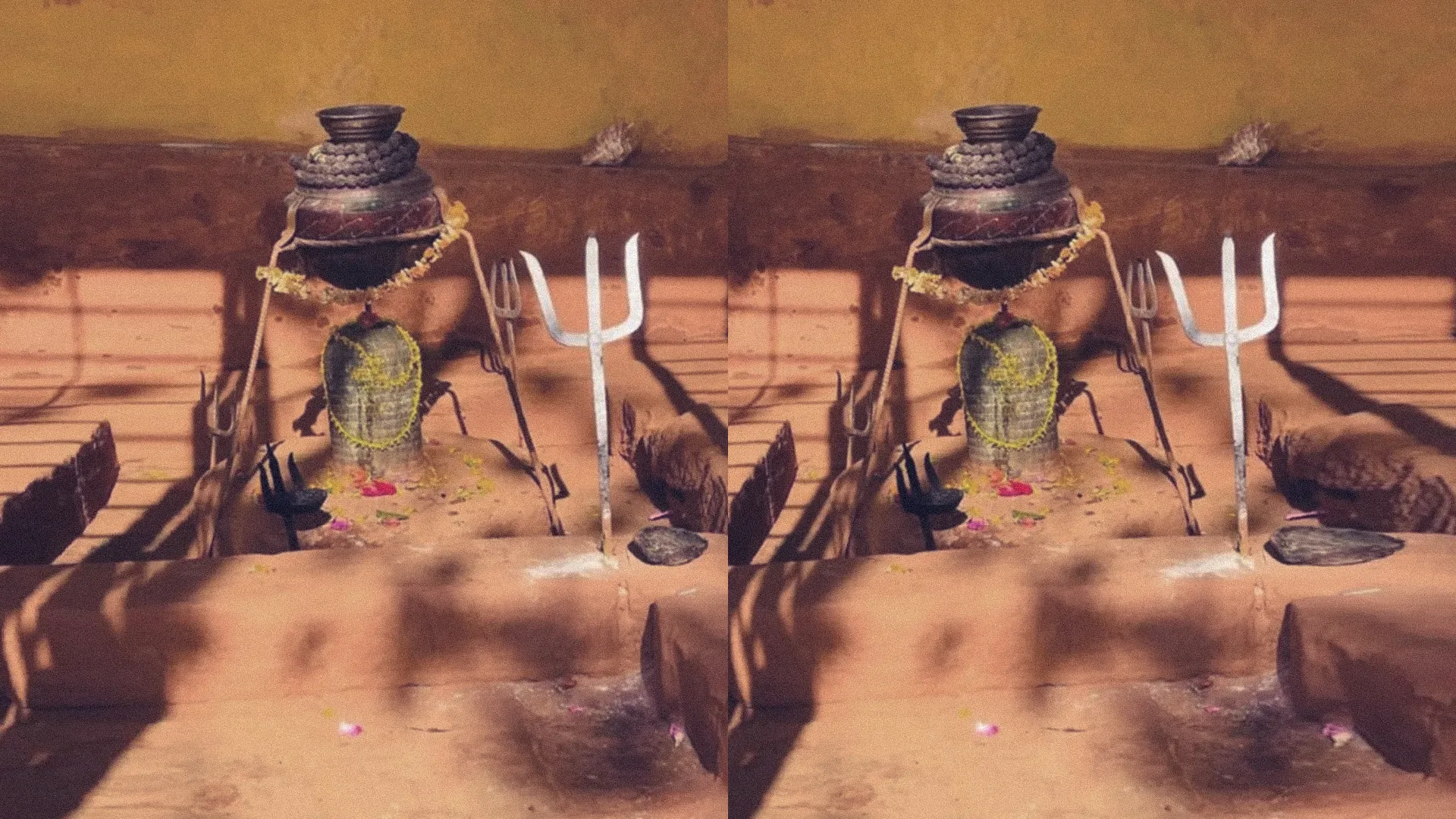
Local oral tradition connects these monuments directly to the Dwapar Yuga. Legend has it that the five Pandava brothers constructed these temples in a single night during their exile. However, as the story goes, the break of dawn interrupted their divine labor, leaving the seventh structure perpetually unfinished—a detail that remains visible to visitors today. This human-divine narrative adds a layer of spiritual gravity to the site, which also features a 400-year-old Pipal tree and the rare Sahasralinga, a singular stone carved with 1008 miniature Shiva lingas.
The architectural grandeur of the main shrine is significant, standing 30 feet tall with a 13-foot length and meticulously carved stone walls held together by traditional methods involving iron. Beyond its physical beauty, the temple serves as a vibrant cultural hub. It is the only place in the Sudurpashchim province where the rare 'Larkha' dance is performed during the Gaura festival. The religious calendar here is densely packed, with major celebrations during Mahashivaratri, Saune Sombar, and both the Ashwin and Chaitra Navaratri.
Despite its resilience, the site has faced historical challenges. The 1990 BS earthquake caused significant damage, toppling the massive stone pinnacles (Gajurs) and partially destroying some shrines, which were later restored by the Department of Archaeology. Today, the complex remains under the care of the Bhatt and Markand families, who serve as the chief priests and storekeepers.
As the Sahasralinga Mela has recently been included in the National Panchang (calendar) of 2081 BS, the site is poised for greater national recognition. The preservation of these "stone peaks" is not merely a matter of maintaining a tourist destination but of safeguarding a silent witness to Nepal’s medieval architectural peak and the enduring power of local faith.